

By Client Executive Marcia Spicer
How one person can help transform scattered family materials into a lasting legacy
Every family has someone who eventually notices the boxes.
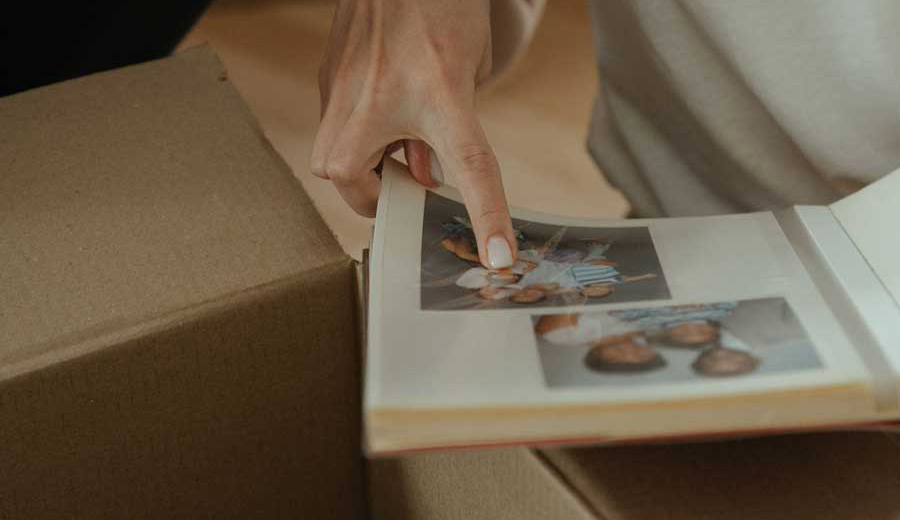
Maybe they are tucked into a basement corner, stacked in a closet, or stored in several homes across several branches of the family. They may hold letters, photographs, journals, newspaper clippings, military records, home movies, business papers, identity documents, recipe cards, heirlooms, albums, or recordings.
Some items are clearly important. Others are harder to understand at first glance. A photograph may have no names on the back. A letter may refer to people no one living can identify. A cassette or VHS tape may hold a voice or memory no one has heard in decades.
These materials do not preserve themselves. They need someone to take an interest, ask questions, gather context, make decisions, and guide the collection from uncertainty toward care. In many families, that person becomes the steward of the family story.
What It Means to Be a Family Story Steward
A steward is not simply the person who keeps the boxes. A steward is the person who recognizes that family materials carry responsibility. They understand that a collection is not only made of objects, but of meaning: who kept these items, why they mattered, what they reveal about family values, and how future generations may one day understand themselves through them.
Stewardship begins with attention. It asks someone to notice what may be at risk: fragile originals, fading photographs, deteriorating film or tape, scattered digital files, unlabeled albums, handwritten correspondence, and the living memories that explain it all. Professional preservation guidance often emphasizes that preventing damage is the foundation of caring for family papers and photographs, and that digitization can support access while reducing unnecessary handling of originals. But before any plan can succeed, someone in the family has to decide that the story is worth protecting.
Why Family Collections Are So Easy to Lose
Family history rarely disappears all at once. More often, it fades gradually through small gaps in care and context. A move happens, and boxes are divided quickly. A relative passes away, and no one knows which papers are essential. Photographs are separated from the envelopes that named the people pictured. Digital files remain on a laptop no one can access. A family Bible, ledger, or scrapbook is saved, but the story of how it was used is never written down.
This is why context matters as much as preservation. A photograph without a date, a letter without a sender, or an object without provenance can become difficult to interpret within a generation or two. The item may survive, but the reason it mattered can become unclear. A steward helps bridge that gap by pairing materials with the names, dates, places, stories, and relationships that make them legible.
The First Job: Start With People, Not Boxes
For many families, the most urgent preservation work is not scanning. It is listening. The people who can identify faces, explain relationships, remember why something was saved, or tell the story behind an object may be the key to the entire collection. If those memories are not captured, the records become harder to understand later.
A good steward begins with conversation. Sit with the family historian, the oldest living relatives, the person who inherited the albums, or the cousin who seems to know every connection. Ask them to walk through the materials. Record names, dates, places, and stories. Capture the language family members use when they describe what matters. Even simple notes can become invaluable metadata later.
At Anderson Archival, this principle is central to our work with family collections. We begin with people, not boxes. Before a collection is organized, rehoused, digitized, or described, we listen to the family’s history, priorities, concerns, and goals. Those conversations help shape a preservation plan that reflects both archival best practices and the personal meaning behind the materials.
What a Steward Should Do
Becoming a steward does not require completing the entire project alone. It does mean helping the family move from scattered intention to deliberate action. A steward helps make the collection visible, understandable, and cared for.
Gather What Exists
Start by identifying where family materials live. They may be spread across homes, storage units, drawers, trunks, attics, basements, hard drives, email accounts, cloud folders, and smartphones. Bringing materials into one trusted place, or at least creating a clear record of where they are, is often the first step toward responsible care.
Create a Simple Inventory
An inventory does not need to be perfect to be useful. List the types of materials, approximate dates, physical locations, condition concerns, and known stories. Note whether items are originals, copies, fragile, unidentified, or especially meaningful. This helps the family understand the scope of the collection and begins to reveal priorities.
Preserve Context While It Is Still Available
Names, dates, locations, relationships, and stories should be captured alongside the materials whenever possible. These details are the difference between a box of saved items and a usable family archive. A steward should pay special attention to unlabeled photographs, letters with unclear references, recordings on aging media, and objects whose meaning depends on one person’s memory.
Prioritize What Is Most At Risk
Not every item needs the same level of attention at the same time. Fragile originals, unique photographs, handwritten correspondence, aging audiovisual media, family business records, founding documents, and items tied to living memory may need to come first. Digitization can help families access and share materials without repeatedly handling originals, but originals should still be cared for because digital files require their own long-term preservation plan.
Improve Storage and Handling
Family materials should be kept in stable environments, away from excessive heat, humidity, water risk, pests, and prolonged light exposure. Original order, labels, envelopes, captions, and handwritten notes should be preserved whenever possible because they may contain essential context. Fragile materials should not be forced open, flattened, cleaned, taped, or placed through equipment that could damage them.
Plan for Digital Preservation, Not Just Scanning
Digitization is powerful, but it is not a finish line. Files need meaningful names, basic descriptive information, secure storage, and backups. A useful digital archive should help future family members understand what they are seeing and find what they need. For many families, this is where professional guidance becomes especially helpful: the quality of the scan matters, but so does the structure around it.
Decide Who Carries the Work Forward
Stewardship should not pass by accident. Families benefit from naming who will hold responsibility now, who should be involved in decisions, and what should happen when materials eventually move to the next generation. The transfer of custody should include the story of the collection, not only the boxes themselves.
Why This Work Can Feel Overwhelming
Family collections are emotionally meaningful, but they can also be large, fragile, private, and difficult to interpret. One person may feel the weight of being the only family member who understands why the materials matter. Another may want to help, but not know where to begin. Some families hesitate because they worry about sensitive information, privacy, cost, scope, or whether the collection is “important enough” to preserve.
The truth is that this is a big job. It requires discernment, archival care, technical skill, secure workflows, family diplomacy, and long-term planning. It asks someone to see both the practical work and the human responsibility. That is why stewardship should not mean doing everything alone.
How Anderson Archival Helps Shepherd the Process
Anderson Archival helps families move from overwhelmed to understood. Our team brings an archival lens to private family collections, combining careful listening with professional organization, preservation, digitization, and guidance for future access. We help identify what exists, what is most significant, what needs immediate care, and how materials can become accessible without losing the context that makes them meaningful.
For some families, that may mean assessing a large collection stored across multiple locations. For others, it may mean digitizing fragile photographs, organizing correspondence, capturing metadata, converting aging media, rehousing originals, developing a preservation plan, or helping family members understand what should be shared, protected, or eventually entrusted to an institution. The process is customized because every family collection carries its own structure, sensitivity, and story.
Most importantly, we help the family steward feel supported. You do not have to know every answer before you begin. You only need to recognize that the materials matter and that they deserve a thoughtful path forward. Anderson Archival can help shepherd the collection through that process with care, discretion, and respect for both the records and the relationships they represent.
Every family story needs someone willing to notice what is worth saving. Without that person, materials can remain unseen until context fades, formats fail, or decisions are made in haste. With that person, a family can begin to protect not only the objects, but the meaning they carry.
Becoming a steward of your family story is an act of care. It is also a responsibility. Anderson Archival is here to help you carry it wisely, one conversation, one box, one record, and one decision at a time.