

AI Consulting for Archives, Libraries, and Museums
SERVICES
Improve searchability, access, and discovery with OCR, handwritten text recognition (HTR), and human-verified workflows
We help libraries, archives, museums, businesses, special collections, and cultural institutions use AI to accelerate transcription, metadata, QA, and discovery without compromising archival integrity. Original high‑resolution captures remain the authoritative record, and AI outputs are reviewed and verified by humans. We support both printed text (OCR) and handwritten text recognition (HTR), sometimes referred to as handwriting transcription or AI handwriting recognition.
Secure, access-controlled workflows for sensitive collections. Designed for archives, libraries, museums, special collections, and institutions managing digitize historical records.
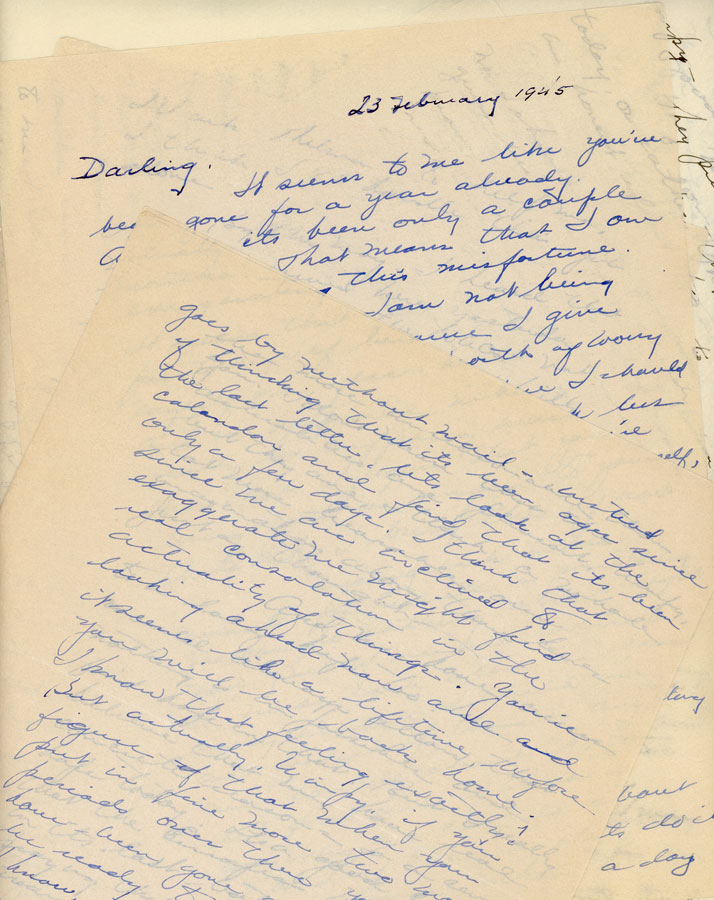

Digitized Doesn't Always Mean Searchable or Usable
Digitization preserves the page, but not necessarily searchability, accessibility, or research utility. Handwriting and complex layouts often defeat standard Optical Character Recognition (OCR) and manual transcription can be cost-prohibitive at scale. Metadata backlogs limit discovery, even when collections are available online. And repetitive quality assurance tasks create bottlenecks that pull archivists away from higher-value work.
AI can help close these gaps by turning digitized collections into more usable assets, making handwritten and complex materials more searchable, accelerating metadata creation, and reducing repetitive quality-control work. With the right workflows and human review in place, institutions can improve access, discovery, and operational efficiency without compromising archival standards or the integrity of the original record.
Consulting Services Built for Archival Workflows
AI Readiness + Workflow Assessment
Identify where AI fits in your archival pipeline (transcription, metadata, QA, access/search) and where it does not
Transcription Strategy
Design an HTR/OCR workflow that adds a searchable text layer while preserving the original image as the record
Metadata Acceleration
Use AI to draft metadata at scale, then route to archivists for review, correction, and consistency before publication
Image Processing + QA Automation
Apply automation to file counting, filename/spec checks, PDF/A creation and validation, duplicate detection, and exception reporting to reduce manual QA
Search + Discovery Enhancement
Ensure OCR/HTR text and metadata are structured to feed discovery and search experiences (not just stored)
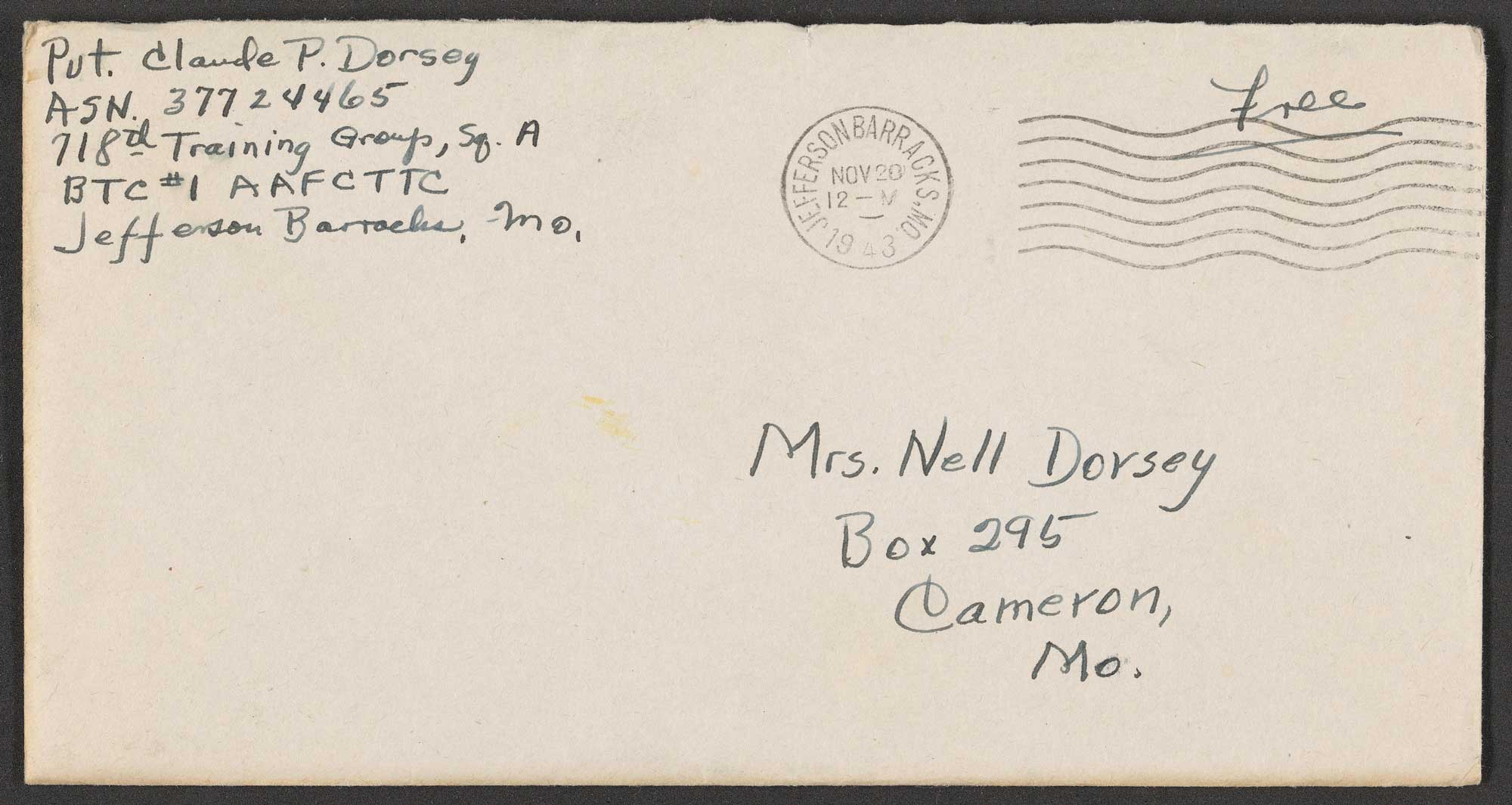
OCR vs. Handwritten Text Recognition (HTR)
- OCR (Optical Character Recognition): Best for printed text and structured documents
- HTR (Handwritten Text Recognition): Designed for handwritten materials like letters, manuscripts, and field notes
- Key difference: Handwriting introduces variability, requiring more review and human verification
A Clear Path from Pilot to Scale
1. Assess
Collection types, sensitivity, workflows, success measures, and bottlenecks (transcription, metadata, QA, delivery)
2. Pilot
Run 1–2 workflows end-to-end (example: HTR on correspondence; QA automation on a delivery set) and measure review effort and outcomes
3. Scale Responsively
Standardize review rules, information governance, and integrations into your organization's repository, DAMS, or search stack
AI Supports Archivists. It Does Not Replace Them.
AI outputs are drafts that speed up repetitive work. Archivists remain accountable for accuracy, context, and final decisions. We preserve original digital captures as the authoritative archival record. AI-generated layers never replace the source. For sensitive collections, AI workflows run in secure, monitored environments with access controls.
This approach helps institutions move faster without handing over professional judgment. By treating AI as a support layer (not a substitute for archival expertise), teams can streamline labor-intensive tasks, protect sensitive materials, and expand access while maintaining accuracy, context, and trust in the record.

High-Impact Use Cases for Archives and Special Collections
Handwritten Correspondence and Manuscripts (HTR)
Add searchable text for discovery, citation, and accessibility while preserving the image
Bound Volumes and Complex Pages
Pilot workflows that support region/box-based transcription where layouts are inconsistent
Metadata Uplift for Digitized Collections
Draft descriptive fields/tags faster, then review and normalize before publishing
Workflow/QA Automation
Automate checks that are currently manual (counts, names, PDF/A, duplicates, exceptions)
Practical Deliverables. Not Theory.
The goal is to leave your team with practical, decision-ready guidance, not abstract recommendations. Whether you need a clearer automation roadmap, a pilot you can evaluate with confidence, or a scoped path toward a custom solution, we help translate AI possibilities into grounded next steps that fit your workflows, standards, and institutional priorities

Frequently Asked Questions
Can’t Find What You’re Looking For?
We’d Love to Chat With You
What is AI consulting for archives?
AI consulting for archives focuses on applying tools like OCR, handwritten text recognition (HTR), and automation to digitized collections. The goal is to improve searchability, metadata quality, and access while maintaining archival standards and human review.
Will AI replace archivists?
No. We use AI to speed up repetitive tasks like transcription drafting, metadata generation, and quality checks, but archivists remain responsible for review, interpretation, and final decisions.
How do you protect sensitive collections and privacy within AI?
We design secure, access-controlled workflows based on the sensitivity of the material. That can include limited-access environments, monitored handling, and review processes that reduce unnecessary exposure of sensitive content.
How accurate is handwritten text recognition? What review is required?
Accuracy varies by handwriting style, image quality, layout complexity, and the condition of the source material. We treat AI transcription as a draft layer, then apply human review and correction based on the collection’s goals, risk level, and required level of precision.
Can outputs integrate into our DAM/repository/search experience?
Yes. We help structure text and metadata so outputs can support discovery, repository workflows, and downstream search experiences rather than sitting in disconnected files.
What formats are a good fit for AI workflows?
Good candidates often include handwritten correspondence, bound volumes, typed documents, large digitized backlogs, and collections that need metadata or QA support. The best fit depends on image quality, consistency, content sensitivity, and what kind of access or workflow improvement you need.