

Archival Rehousing
ADD-ONS
Protecting Original Materials for Generations to Come
When digitization is complete, the work of preservation isn’t over. Original photographs, documents, artwork, and artifacts still require proper care to ensure they remain stable, safe, and accessible for the long term. Anderson Archival provides professional rehousing and long‑term storage solutions that protect physical collections after digitization—so nothing is left vulnerable or overlooked.
As part of our comprehensive legacy preservation services, we return materials storage‑ready, clearly organized, and protected according to archival best practices.
Preservation Is More Than Digitization
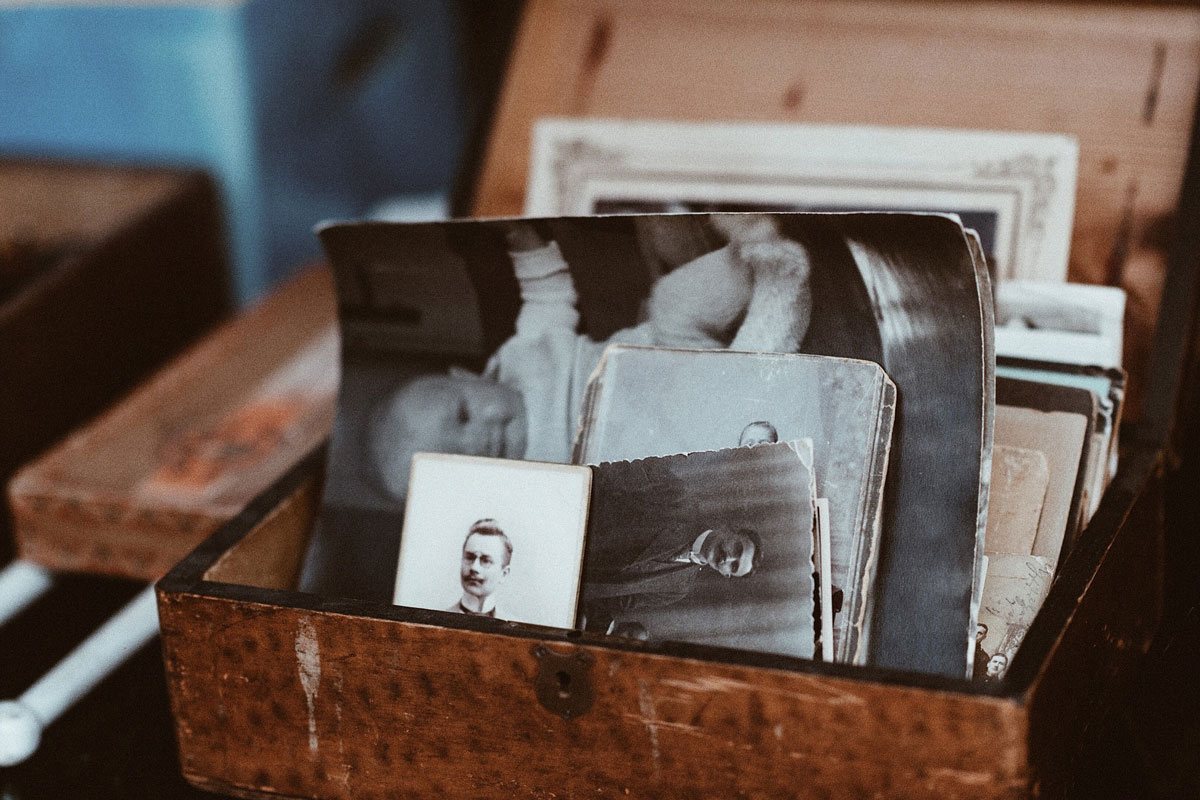
Digitization increases access—but rehousing protects the originals.
At Anderson Archival, we believe true preservation means:
- Safeguarding physical materials
- Creating meaningful digital access
- Ensuring collections are prepared for the future
From the first scan to the final returned box, we manage every detail with care, intention, and respect for the stories your materials hold.
What Is Rehousing in Archival Preservation?
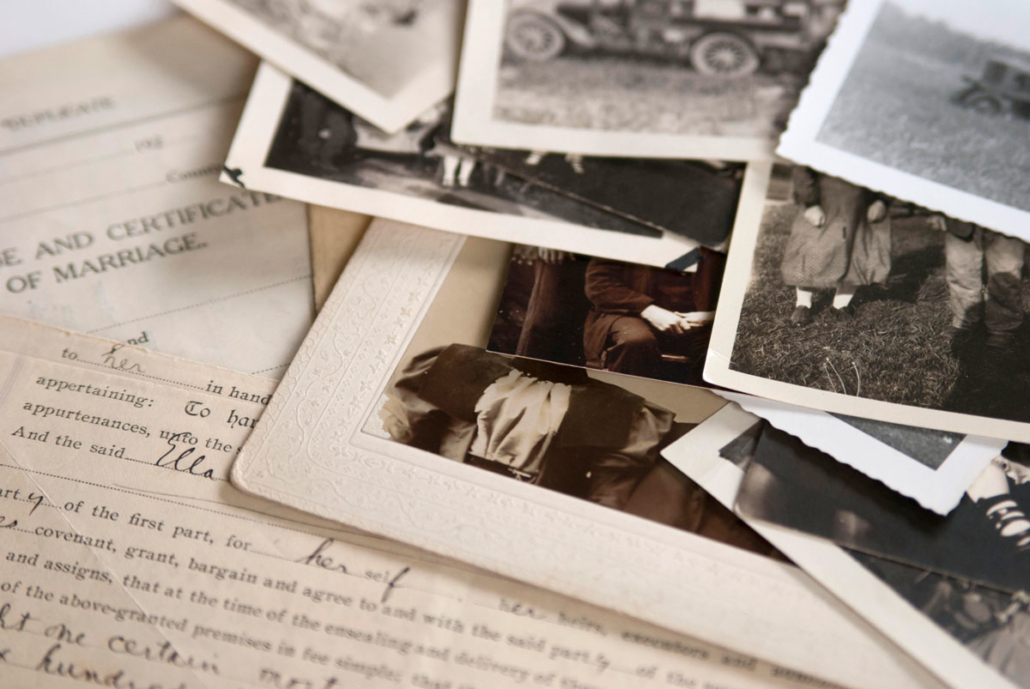
Rehousing refers to the process of transferring original materials from damaging or unstable enclosures into archival-quality storage materials designed to extend their lifespan.
This may include:
- Replacing acidic folders, boxes, and albums
- Separating fragile or at‑risk items
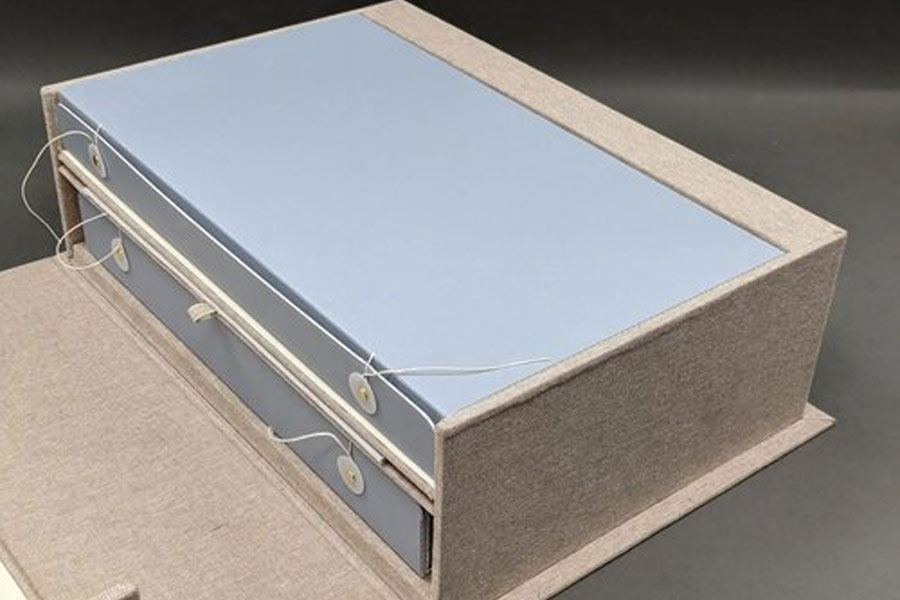
- Creating custom enclosures for oversized or delicate materials
- Organizing materials for safe handling and future access
Rehousing is one of the most effective ways to slow deterioration, prevent physical damage, and improve long-term care of historical and personal collections.
Archival-Quality Storage Materials
We use industry standard, preservation grade supplies, including acid free and lignin free folders, buffered and unbuffered enclosures, archival document boxes, polyester and paper photo sleeves, and custom housings for artwork and fragile items. All materials are selected based on collection type, condition, and long term preservation goals.
Collection Organization and Labeling
Rehousing is also an opportunity to bring clarity and order to collections. We maintain or improve original order when appropriate, clearly label boxes and folders, align physical organization with digital file structures, and prepare collections for easier access and future management. This ensures your physical and digital collections work together—not separately.
Storage-Ready Return After Digitization
As part of our all in one legacy preservation approach, materials digitized by Anderson Archival are carefully rehoused after scanning, returned in stable, protective enclosures, and organized for safe storage or transfer. Clients don’t need to coordinate with multiple vendors or worry about what happens next—we handle the entire process.
Guidance for Safe Storage Environments
While we do not operate storage facilities, we provide expert guidance on ideal environmental conditions, safe storage locations within homes or institutions, handling practices to reduce wear and damage, and preparing collections for long-term custodianship. Our goal is to help you make informed, sustainable decisions about the future of your collection.
Guidance for Safe Storage Environments
While we do not operate storage facilities, we provide expert guidance on:
- Ideal environmental conditions
- Safe storage locations within homes or institutions
- Handling practices to reduce wear and damage
- Preparing collections for long-term custodianship
Our goal is to help you make informed, sustainable decisions about the future of your collection.
Why Proper Long Term Storage Matters
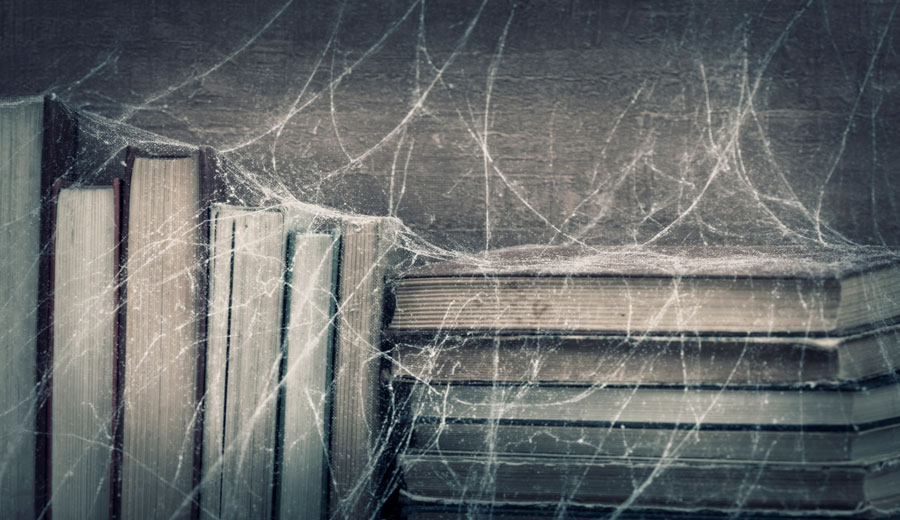
Even after digitization, original materials continue to hold:
- Historical value
- Legal or evidentiary importance
- Emotional and family significance
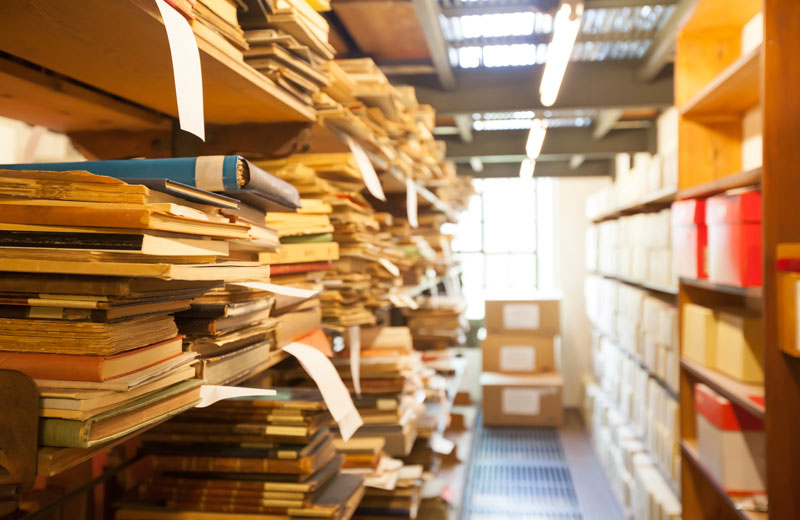
Improper storage—such as basements, attics, garages, or plastic bins—can expose collections to:
- Temperature and humidity fluctuations
- Mold, pests, and water damage
- Light exposure and physical stress
- Acid migration and chemical breakdown
Our long‑term storage solutions are designed to minimize environmental risks and support responsible stewardship, whether materials remain in your custody or are prepared for institutional care.
Frequently Asked Questions
Can’t Find What You’re Looking For?
We’d Love to Chat With You
What does “rehousing” mean in archival preservation?
Rehousing is the process of moving materials into archival‑quality enclosures—such as acid‑free folders, sleeves, and boxes—to protect them from damage, deterioration, and environmental risks.
Do I still need to rehouse materials if they’ve been digitized?
Yes. Digitization improves access, but original materials still require proper physical care. Rehousing helps ensure photographs, documents, and artwork remain stable and protected for the long term.
What kinds of materials can Anderson Archival rehouse?
We rehouse a wide range of materials, including photographs, paper documents, artwork, scrapbooks, letters, and mixed‑media collections. Solutions are customized based on material type, condition, and preservation goals.
Will my materials be returned organized and storage ready?
Absolutely. As part of our all‑in‑one preservation approach, materials are returned clearly organized, labeled, and housed in archival‑quality storage, aligned with the structure of your digitized files whenever possible.
Does Anderson Archival provide long term storage?
We do not operate storage facilities, but we provide expert guidance on safe storage environments, handling practices, and long‑term care so you can make informed decisions about where and how your collection is stored.