

Optical Character Recognition
SERVICES
Enhance Your Collection with Access and Searchability
Our quality digitizing services preserve precious works for future generations to enjoy. A certain perfectionist attitude fills each member of our trained staff, and they transfer this quality to all the digitizing services we offer. As a division of Anderson Technologies, Anderson Archival has the expertise to provide outstanding document scanning, optical character recognition, and digitizing services to ensure your collection is updated into a format that will best survive into the future.
A Digital Collection Is More Than Images
Anderson Archival is as enthusiastic about preserving history as you are, and we want to help preserve your collection in a lasting and easily accessible way. We know it’s not merely about creating a digital copy; it’s about creating an electronic collection that supplements and enhances the experience of your audience.
Full-Text Search
OCR allows for full-text searchability. No more manually tagging documents. Find the text you want.
Human Verification
AI isn't ready to take over the world yet. Human text verification ensures the OCR is correct.
Automated Option
For modern documents using modern fonts, automated OCR reads with up to 99% accuracy.
Very Important Terms
Consider archivist review of your OCR results to ensure important terms like names, places, and dates are correct.
Optical Character Recognition (OCR) and Proofing Services
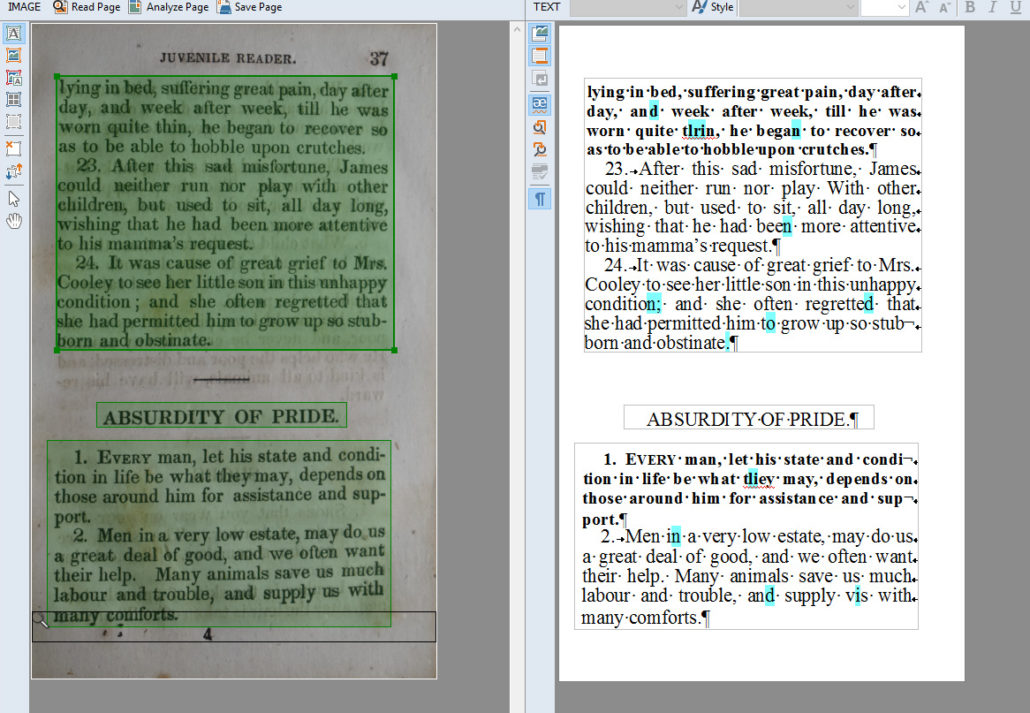
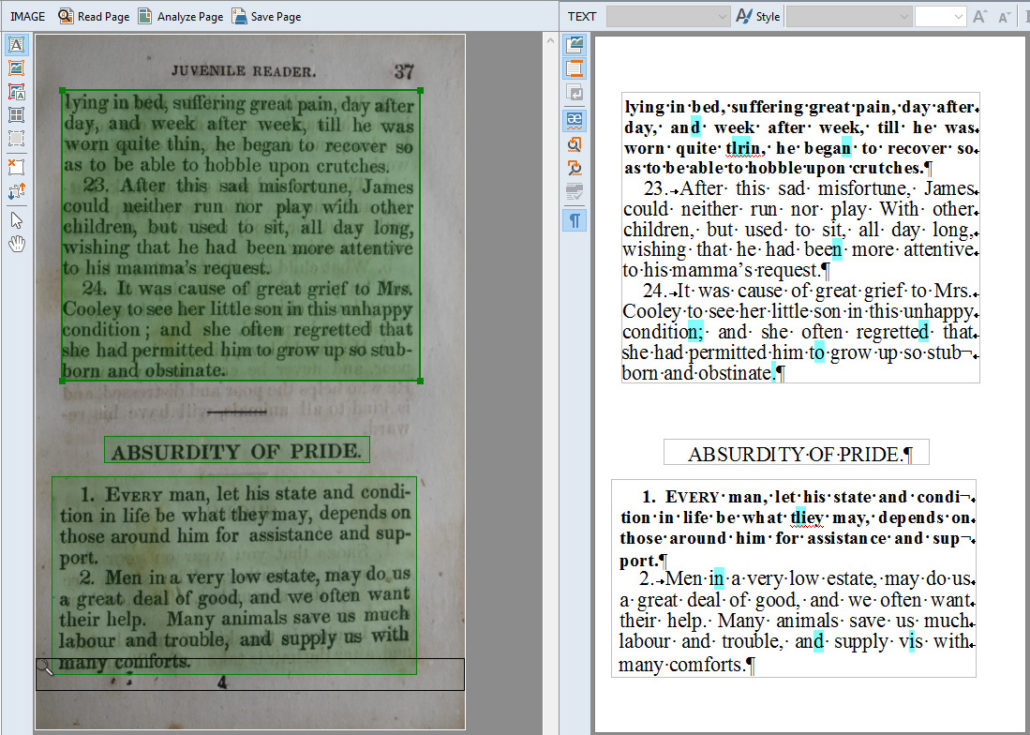
OCR is the process that makes a document searchable, but poor OCR leaves you with less searchability than expected. When we digitize paper documents, we always include text-verification by one of our staff to make sure your documents are as accurate as the software can make it.
Unfortunately, text-verification through OCR software can only go so far, and incorrect words might not get flagged for review. To ensure top quality searchable PDFs, our trained proofreaders also perform word-for-word comparisons when a collection calls for utmost accuracy.
Frequently Asked Questions
Can’t Find What You’re Looking For?
We’d Love to Chat With You
Do you offer OCR (Optical Character Recognition) and searchable text?
Yes. Anderson Archival provides OCR processing to create digital files that include an embedded, searchable text layer. This allows users to search for keywords and phrases inside documents while viewing the original image.
OCR helps transform static scans into interactive research tools, making collections easier to navigate, study, and share.
What is Optical Character Recognition (OCR)?
Optical Character Recognition (OCR) is the process of converting scanned images of documents into searchable, machine‑readable text. OCR adds a text layer to digital images so users can search for words, names, dates, and phrases within documents instead of manually reviewing each page.
Why is OCR important for digital preservation?
A digital collection is more than just images. OCR enhances access, usability, and research value by enabling full‑text search, improving discoverability, and reducing the need for manual tagging. This makes preserved collections easier to explore, share, and use over time.
How accurate is Anderson Archival’s OCR process?
For modern documents using standard fonts, automated OCR can achieve up to 99% accuracy. However, because software alone can miss errors—especially in historical or complex documents—Anderson Archival offers human verification to review and correct OCR output for maximum reliability.
Do you proofread or verify OCR results?
Yes. Anderson Archival offers staff review during OCR processing, and for collections requiring the highest level of accuracy, trained proofreaders perform word‑for‑word comparisons. Special attention is given to important terms such as names, locations, and dates to ensure the text accurately reflects the original materials.
What types of collections benefit most from OCR?
OCR is especially valuable for research‑heavy collections, including letters, manuscripts, reports, books, and business or institutional records. Any collection where users need to search, reference, or analyze text content will benefit from OCR as part of a comprehensive digital preservation strategy.