Nonprofit Organization Digitization Services
Who We Serve
Nonprofit Organizations
Nonprofit organizations are often entrusted with preserving the records, stories, and primary source materials that support research, education, advocacy, and public engagement. Anderson Archival helps nonprofits digitize those materials with the care, structure, and long-term thinking they deserve. From institutional records and publications to photographs, correspondence, and special collections, we create digital archives that improve access, protect fragile originals, and make your history more usable for the people who rely on it.
How We Help Nonprofit Organizations
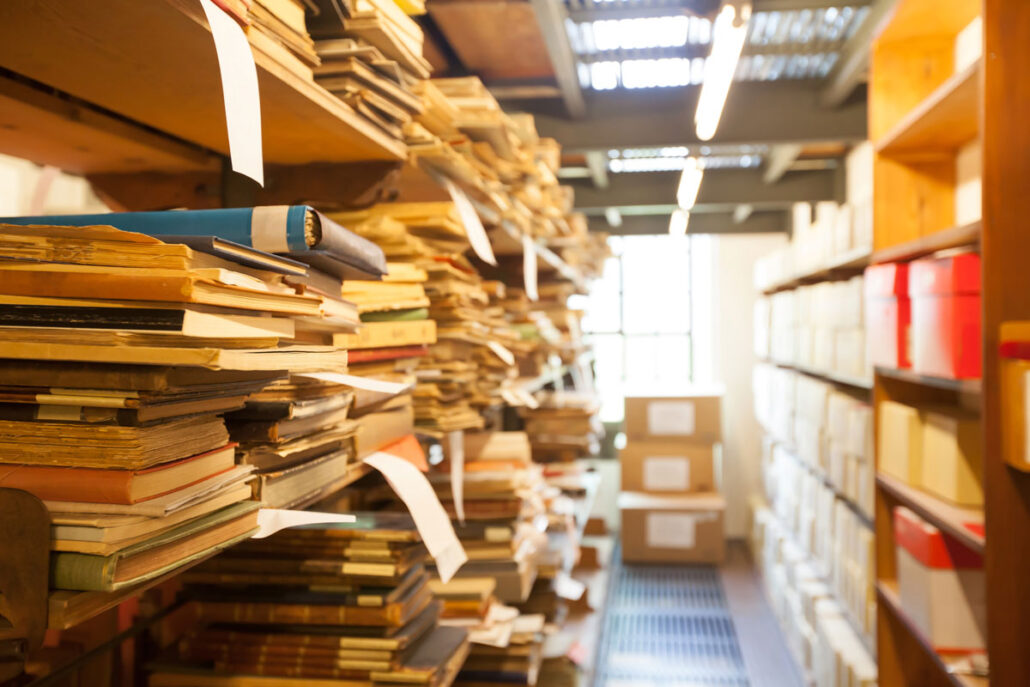
Many vendors can scan documents. Far fewer understand what nonprofit collections need in order to remain useful over time. Anderson Archival approaches digitization as a preservation and access initiative, not just a file conversion project. Our team pays attention to image quality, file organization, metadata, OCR, and delivery structure so your materials are not only digitized, but easier to search, safer to preserve, and more valuable to staff, researchers, donors, and the communities you serve.

Digitization That Supports Your Mission
For nonprofits, preserving history is rarely the goal on its own. Your collections serve a larger purpose: strengthening public trust, supporting research, advancing education, engaging donors, and helping your community better understand your impact. Digitization makes those goals easier to achieve by reducing handling of fragile originals, improving internal and public access, and making it easier to surface meaningful materials for exhibits, publications, campaigns, grant work, and outreach.
How We Help Nonprofit Organizations
- Archival-quality digitization for paper records, photographs, bound volumes, and special collections
- OCR and text verification to improve searchability and research value
- Metadata planning and file organization tailored to your collection and audience
- Access solutions that support internal teams, public users, or restricted research environments
- Preservation-minded workflows that reduce risk to fragile originals
- Guidance from trained archivists who understand both stewardship and usability
Frequently Asked Questions
Can’t Find What You’re Looking For?
We’d Love to Chat With You
What types of nonprofit collections can Anderson Archival digitize?
We work with a wide range of nonprofit materials, including institutional records, board minutes, correspondence, photographs, publications, scrapbooks, reports, and other primary source materials. Our approach is tailored to the collection itself, the condition of the originals, and the goals your organization has for access, preservation, and long-term use.
How is Anderson Archival different from a standard scanning vendor?
Many scanning providers focus on file output alone. Anderson Archival approaches digitization as part of a larger preservation and access strategy. That includes attention to image quality, handling of fragile materials, metadata structure, OCR accuracy, quality assurance, and delivery methods that make collections more usable to staff, researchers, donors, and the public.
Can you make our nonprofit collection searchable?
Yes. We offer OCR and text verification services that can improve the searchability of many document-based collections. For nonprofits managing reports, newsletters, publications, or other text-heavy records, searchable text can make a digital archive significantly easier to use for research, internal reference, and public access.
Do you help organize files and metadata for nonprofit archives?
Yes. Digitization is most valuable when materials are delivered in a way that supports discovery and long-term use. We help plan file naming, folder structure, metadata, and delivery formats so your digital collection is easier to navigate and more useful for the audiences you serve.
Can you work with fragile, unique, or historically significant materials?
Yes. Many nonprofit collections include materials that require careful handling and a preservation-minded workflow. We tailor capture methods and project planning to the condition of the originals so your materials can be digitized with care while reducing unnecessary handling going forward.