

By Client Executive Marcia Spicer
A National Milestone Meets Personal History
The 250th anniversary of American independence invites big public reflection, but it also creates space for quieter, deeply personal questions. How did your family experience the sweep of American history? What did they save, record, pass down, or leave behind? A box of photographs, a stack of letters, a diary, a military record, or a handwritten recipe book may not look like a national story at first glance. But together, these materials often reveal how ordinary people lived through extraordinary times.
That is what makes this an especially compelling angle for family historians. America’s 250th is not only about founding documents and major events. It is also about the generations of people who built lives, served communities, moved across regions, started businesses, joined churches, raised children, weathered hardships, and shaped the country in ways both large and small. Family collections help bring those lived experiences into focus.
What in a Family Collection Might Connect to America’s Story?
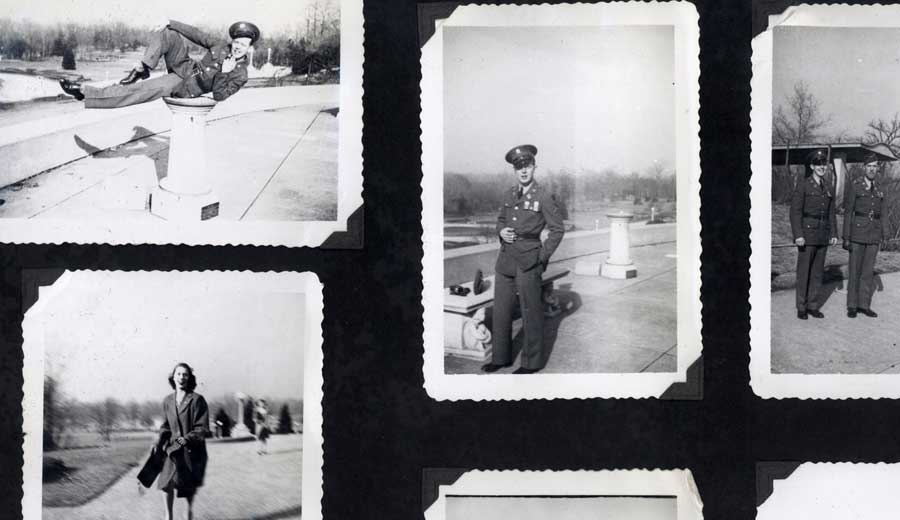
Many families already own materials that connect naturally to the broader American story. Letters, journals, and diaries may mention immigration, military service, schooling, work, civic participation, religious life, or changing communities. Photographs can capture neighborhoods, uniforms, storefronts, family farms, celebrations, and social clubs. Certificates, land records, scrapbooks, oral histories, newspaper clippings, and heirlooms can reveal the practical details of how a family moved through a particular place and time.
What matters most is not whether an item appears dramatic or historically famous. Ordinary materials often tell the richest stories. A church program may point to community life. A recipe card may reflect migration, culture, and adaptation. A photo labeled only with a place name may capture a neighborhood that has since changed or disappeared. These pieces can illuminate larger themes such as freedom, service, resilience, entrepreneurship, belonging, and movement across generations.

Questions to Help Families Find Their Connection
- Who speaks through this collection?
- Where did they grow up?
- In what conditions?
- Where did they travel?
- What world events were occurring during their life?
- What American, state, or local events were occurring during their life?
- What themes do you find in their life/collection? Service, sacrifice, migration, protest, invention, education, community building, war, economic change, social movements, local milestones
- Whose story is missing from this collection?
Why the 250th Is a Good Time to Preserve and Interpret Family History
America’s 250th birthday is an ideal time to preserve and interpret family history. Is family gathering for the event? Plan time to reflect and tell stories. Others may create displays, memory books, oral history projects, or social media features that highlight family connections to larger events. National initiatives tied to the anniversary also emphasize that participation can happen at the family and community level, not only through large public celebrations.
There is also a practical side to this moment. Fragile photographs fade. Paper records become brittle. Magnetic media can become inaccessible. Unlabeled items lose context over time. Digitization, organization, and thoughtful description can transform a box of vulnerable materials into a usable, searchable family archive. When collections are preserved with care and context, they become easier to share with relatives, incorporate into commemorative projects, and pass along to the next generation with confidence.
Your Family Story Belongs in the Commemoration
As the country approaches this anniversary, it is worth remembering that history is not only something preserved in institutions, memorials, and textbooks. It is also preserved in family albums, letters, records, and heirlooms that carry personal evidence of how people lived, worked, served, hoped, and endured. Your collection may hold a powerful connection to the American story, even if it has been sitting quietly on a shelf for years.
If you are thinking about how to participate in this moment, start by opening the box, asking better questions, and preserving what matters before more context is lost. Family History connected to America’s 250th is not only about looking backward. It is about deciding what stories your family will be able to share in the future. Anderson Archival helps families preserve meaningful collections with care, security, and clarity so those stories remain accessible for generations to come.
Frequently Asked Questions
Can’t Find What You’re Looking For?
We’d Love to Chat With You
Do ordinary family items really have historical value?
Yes. Everyday materials such as letters, recipe cards, school records, military papers, labeled photographs, and church programs can reveal how your family lived through larger moments in American history. Collections do not need to include famous names or dramatic artifacts to hold meaning. In many cases, ordinary items offer the clearest view of community life, migration, service, work, and family traditions.
How can I tell whether my family collection connects to America’s 250th?
Start by asking simple questions about the people and materials in your collection. Where did they live? What major national, state, or local events shaped their lives? Did they serve in the military, move to a new region, join a church, start a business, or document community life in some way? The connection is often found in patterns and context, not just in one standout item. National efforts like America250 and community toolkits such as Freedom 250 also encourage families to participate by sharing stories and reflecting on local history.
Why is now a good time to preserve family history materials?
Because waiting often means losing context. Photographs fade, paper becomes brittle, and unlabeled items become harder to identify as memories pass from one generation to the next. America’s 250th gives families a meaningful reason to organize, digitize, and describe what they have now so those stories are easier to share, interpret, and pass on in the future.