

“You have these tapes in your head about your relationship with your parents from when you were a kid… at least for me, it was helpful to update those tapes with a different relationship.”—Michael Dorsey
By Client Executive Marcia Spicer
Michael Dorsey’s family story begins with a stack of wartime letters—hundreds of them—written by his father to his mother during World War II. But these letters are more than a record of separation. They are a record of devotion, of daily life carried across distance, and of one family’s determination to hold onto what matters. As Michael explains, the letters were never meant for only one reader. Even then, his father was writing to his young family as a whole, preserving a story that still speaks across generations.
This interview has been lightly edited for clarity, length, and flow while preserving Michael Dorsey’s voice and the substance of his recollections.
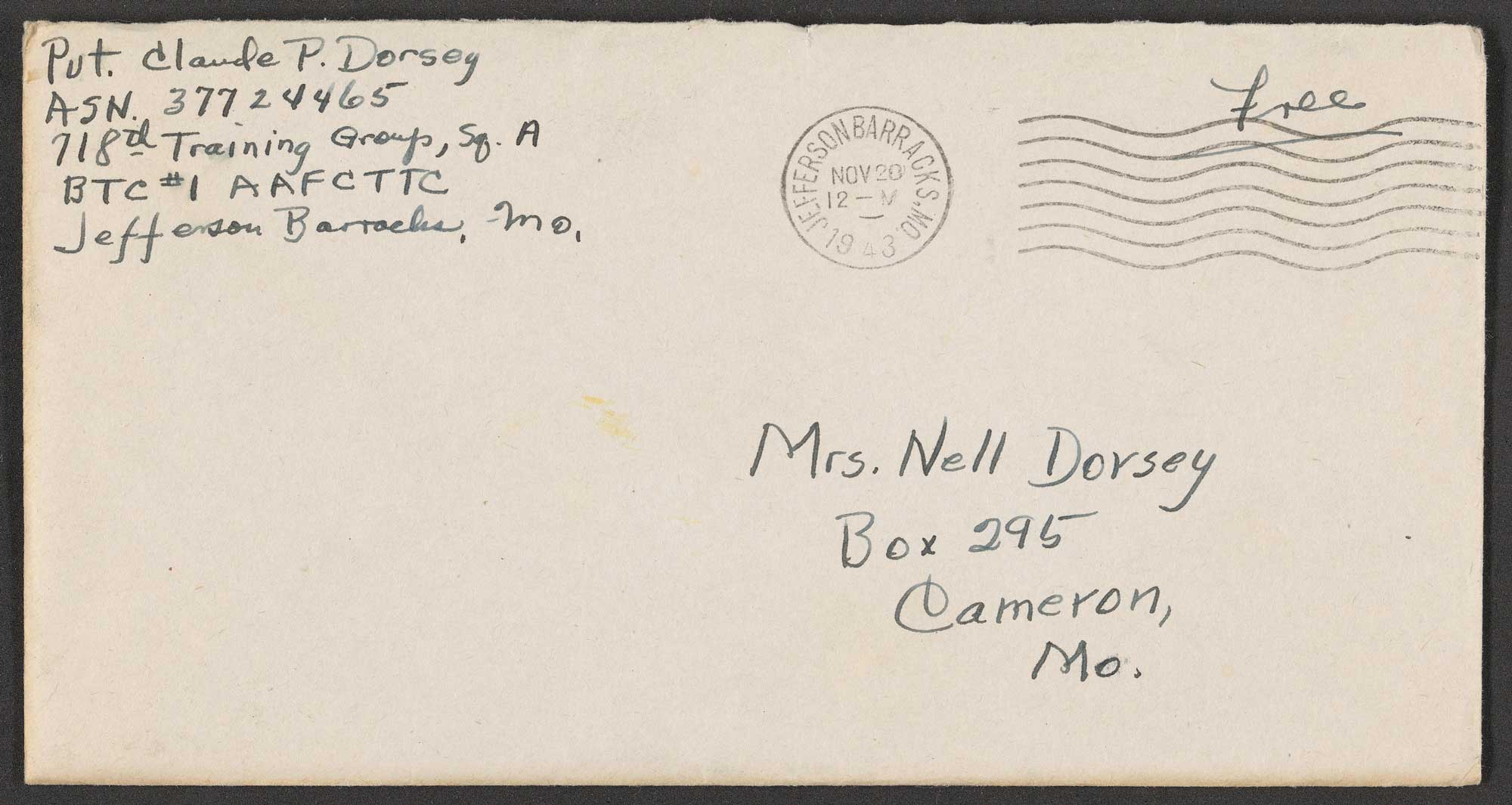
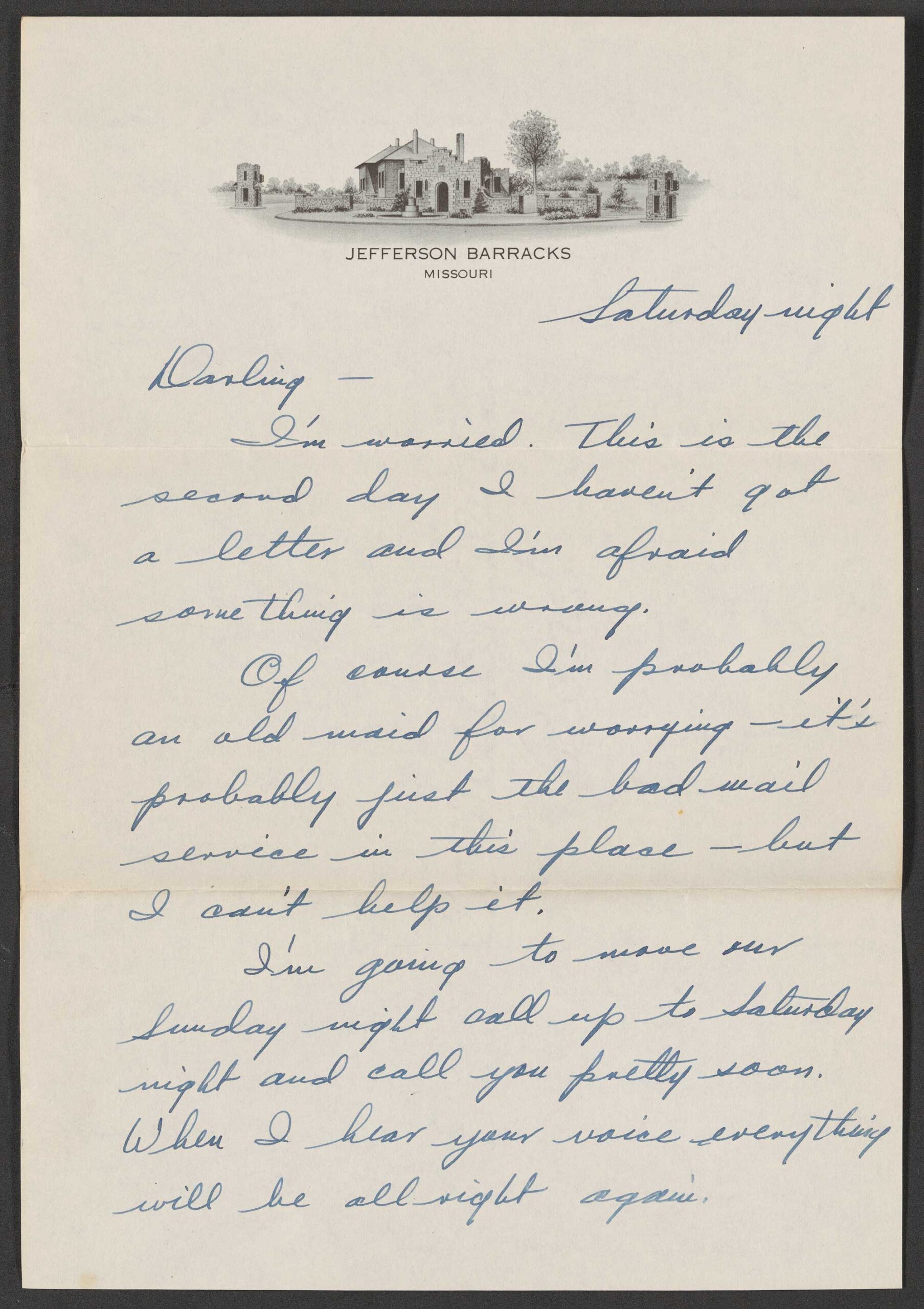
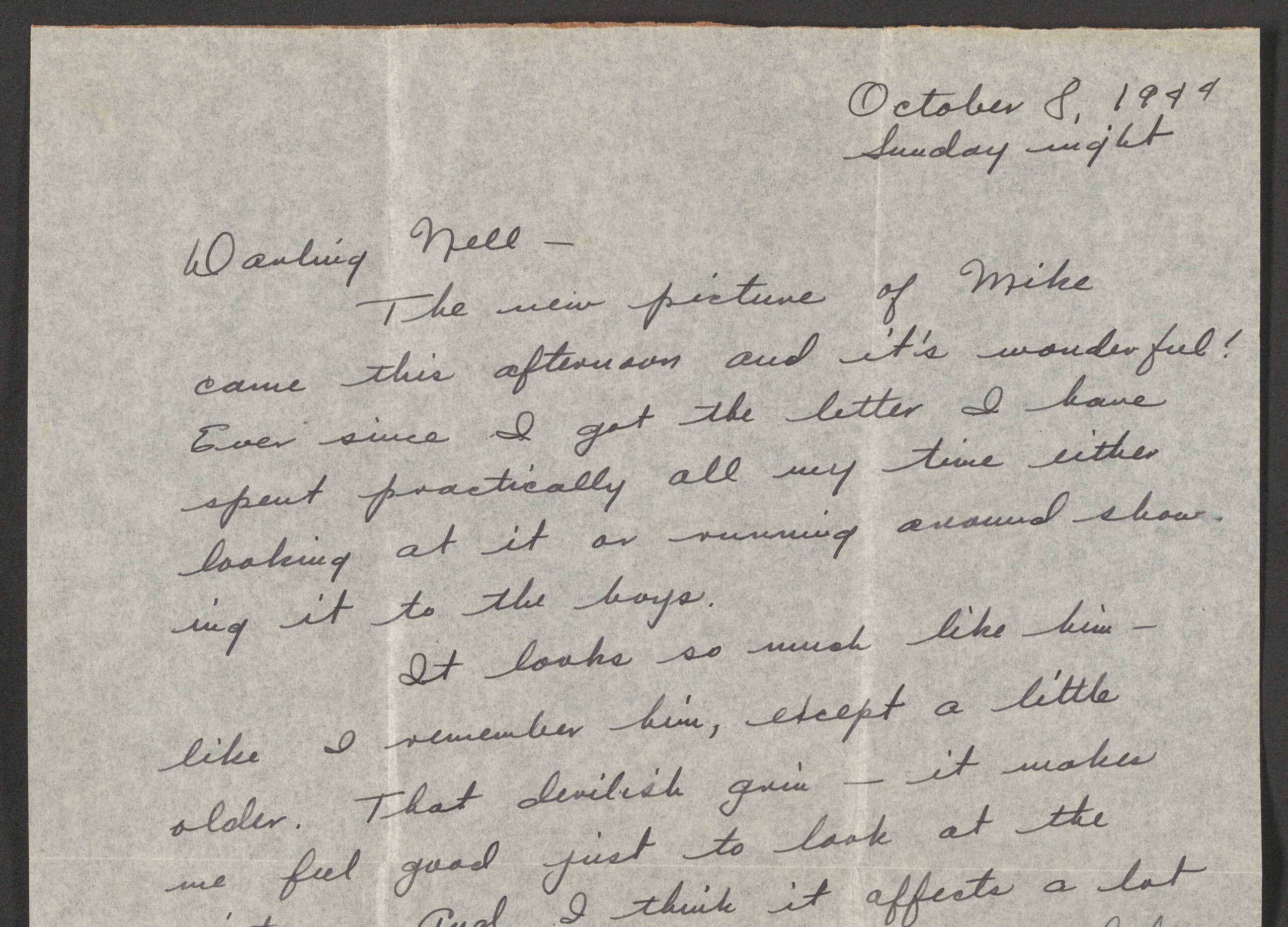
Left and Right: Letter from Claude to Nell, written from Jefferson Barracks, Missouri
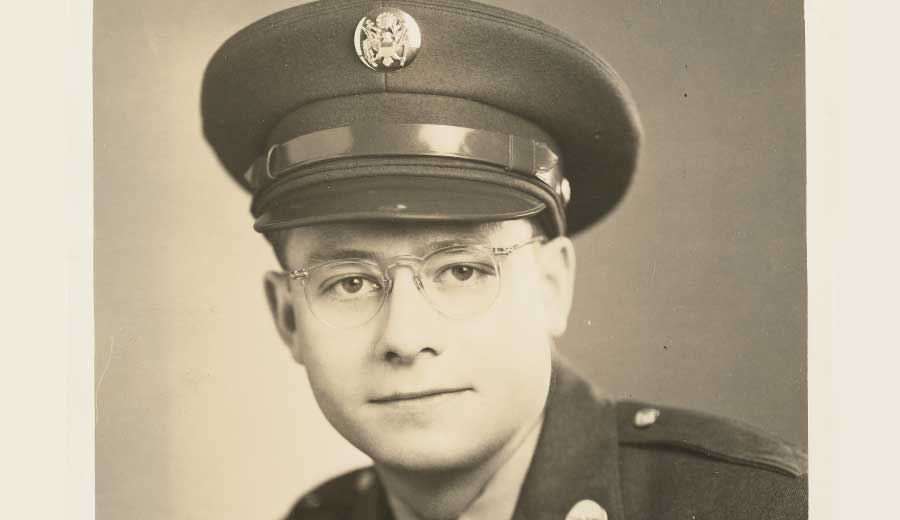
About the Letters’ Author: Claude Dorsey
Michael, himself a retired lawyer who practiced in Kansas City, Missouri, and Washington, D.C., begins simply: “My father.”
The letters, he explains, were addressed to his mother, but they were also written with him in mind. “If you’ve looked at the letters, they are addressed to my mother, but he’s also addressing them to me. I was nine months old in 1943 when he went into the service—November of 1943. I was born in February of 1943.” For the first months, his father was in training at Jefferson Barracks near St. Louis and later in Oklahoma before eventually reaching Saipan. “There’s a substantial number of the letters [that] were written while he was on Saipan,” Michael says. “He wrote—I calculated an average of five out of seven days a week.”
That volume of correspondence matters in part because of who Claude Dorsey was. “He was a good writer,” Michael says. Before the war, his father had worked in radio news in Kansas City, and that instinct comes through in the letters. “One of the reasons that we wanted to get the letters copied was that I did think that there was historic interest, not just the family.” The letters carry both intimacy and reportage: love for his wife, affection for his infant son, and careful observations from wartime life. “Almost every letter tells her how much he loves her,” Michael says, “but he also almost every letter mentions me, and most of the time he also mentions the dog.”
Before and after World War II, Claude Dorsey (1916–2002) built a long career in Kansas City broadcasting and became known as a respected radio and television newsman. He worked with KMBC and later KMBC-TV, building a reputation in broadcast journalism that extended well beyond the war years. That professional identity adds another layer to the letters Michael preserved: they are not only personal family correspondence, but the writing of someone whose life’s work was observing events and communicating them clearly.
“Almost every letter tells her how much he loves her, but he also almost every letter mentions me, and most of the time he also mentions the dog.”—Michael Dorsey
What the Letters Have Given
As Michael read through the letters, what emerged was a fuller portrait of family life. “I learned more than I had ever understood about the relationship of my father and my mother, and his relationship with his brothers and his sister and their families, and his mother.” The letters are full of references to relatives in Missouri, to the practical strain of wartime separation, and to “family dynamics that I didn’t know anything about,” he says, “that’s just kind of fascinating to read about 75 years later.” In that way, the collection became more than history. It became a way of seeing his family again, with fresh context and deeper understanding.
He had known the letters existed for years, but they became his responsibility in 2002 after his father died. Michael and his brother found them while clearing out their parents’ apartment and storage room. “My brother and I talked about it and decided I should take them.” Over time, the collection kept opening outward. He found photographs he had not seen before, newsletters his father had produced on Saipan, and small details that deepened the story. “I’ve had them since 2002,” he says. “And the other reason I wanted to digitize them was because I found them difficult to read in the original. And I was also concerned. I didn’t want to damage them. They’re very old, obviously.” The impulse to protect the originals while making the story more accessible is at the heart of meaningful preservation.
For Michael, losing the letters would have meant losing more than family keepsakes. They preserve the voice of a man who was both a father and a working journalist, someone documenting the world around him with unusual care. “There’s more than just personal information and personal interest,” Michael says. “It really is talking about what’s going on.” His father was first trained as a cryptographer, then transferred into public affairs on Saipan, where he guided war correspondents, broadcast news reports, and even helped create morale-boosting performances for troops. “Part of the collection shows correspondence between him and his boss, the news director at the radio station… He was under contract to the radio station while he was in the Army Air Force.” What survives in these letters is firsthand witness—something both personal and historically significant.
“He was also a singer,” Michael explains, “That’s how my parents met.” While on Saipan, Claude Dorsey and associates would go out to the Navy ships to perform. “He liked that… the Navy food was better.”
That broader historical value is one reason Michael has already shared samples with family members and with the World War II Museum. “They’re interested in receiving them,” he says of the originals.
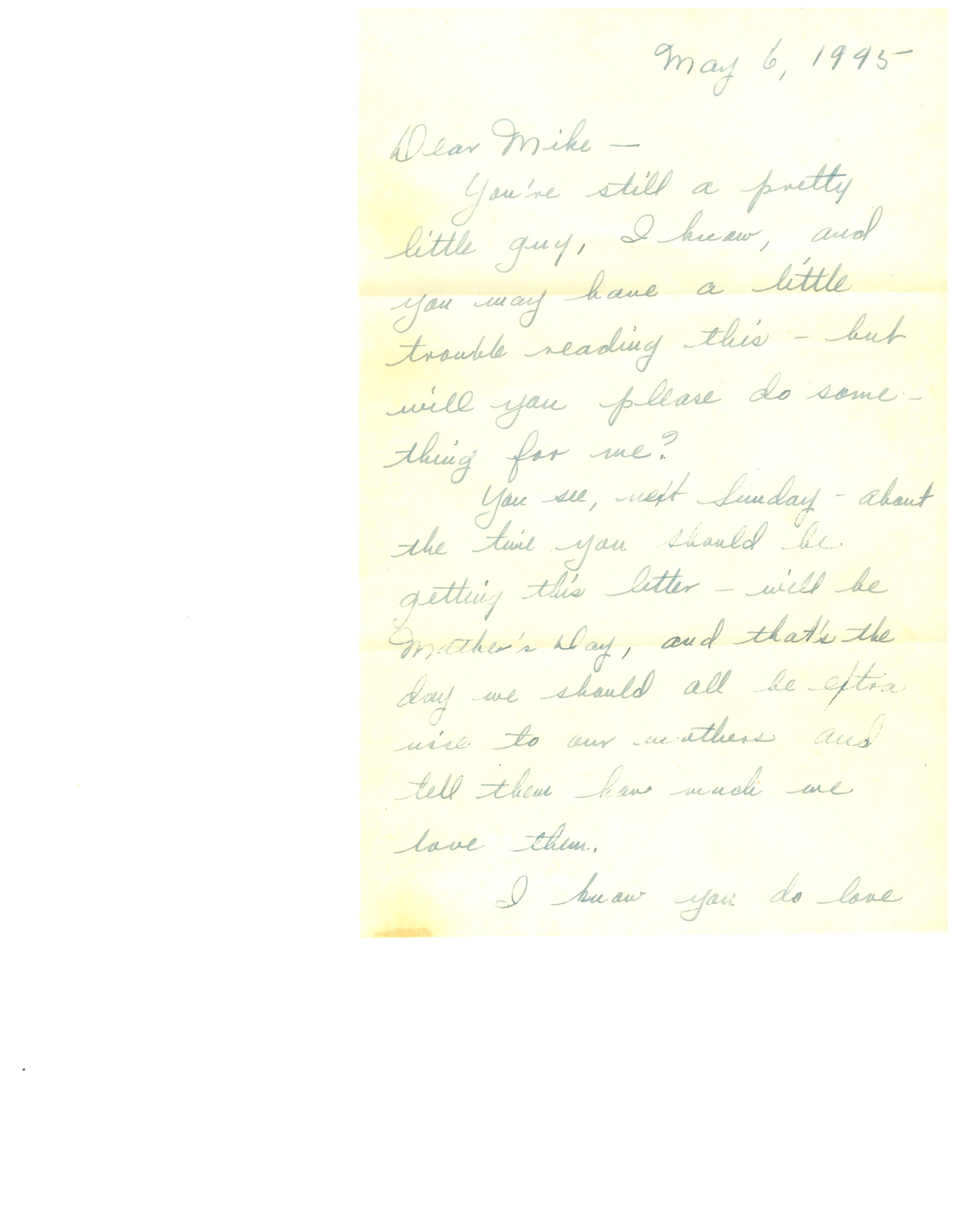
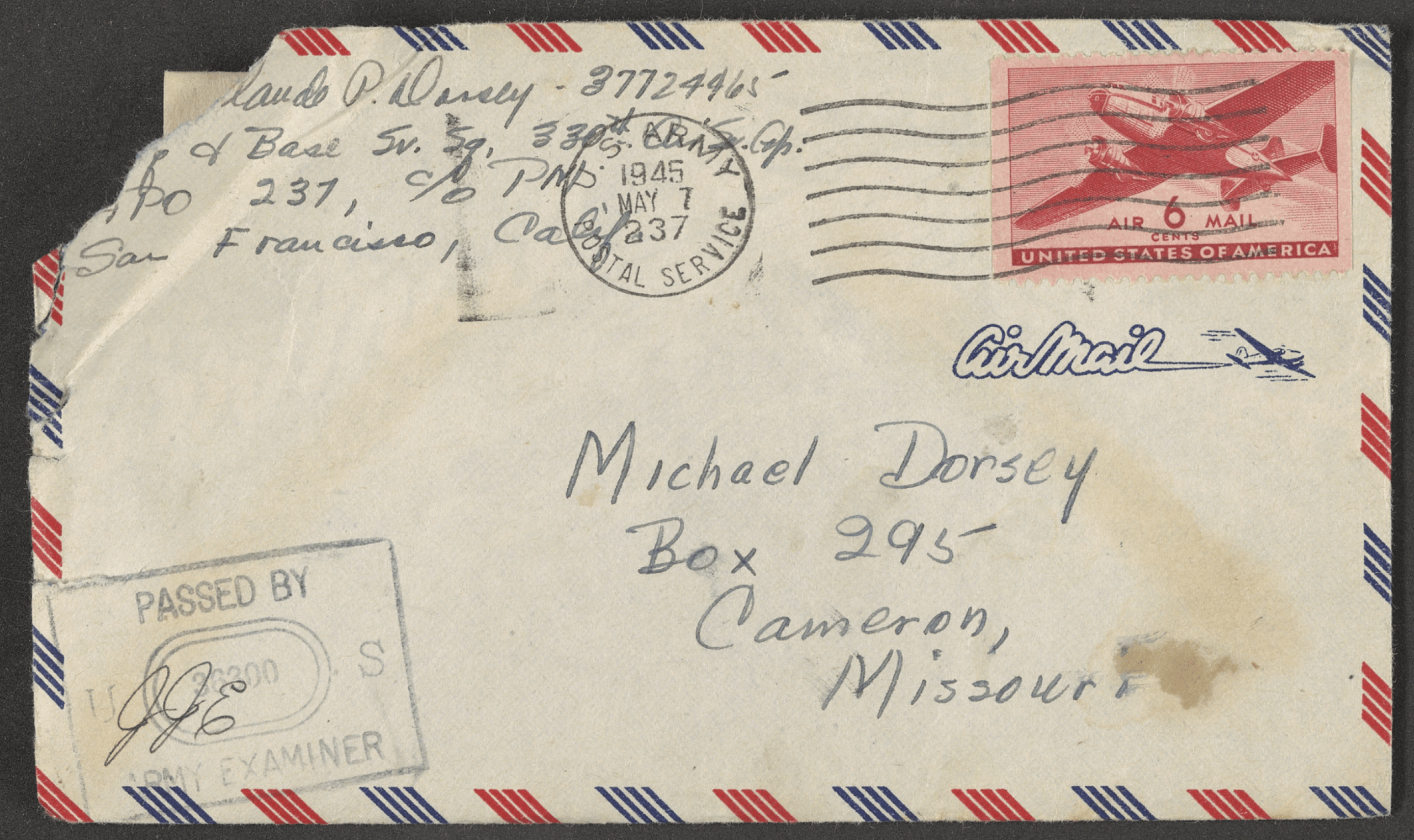
Letter from Claude to Michael, digitized by another vendor paired with the envelope digitized by Anderson Archival
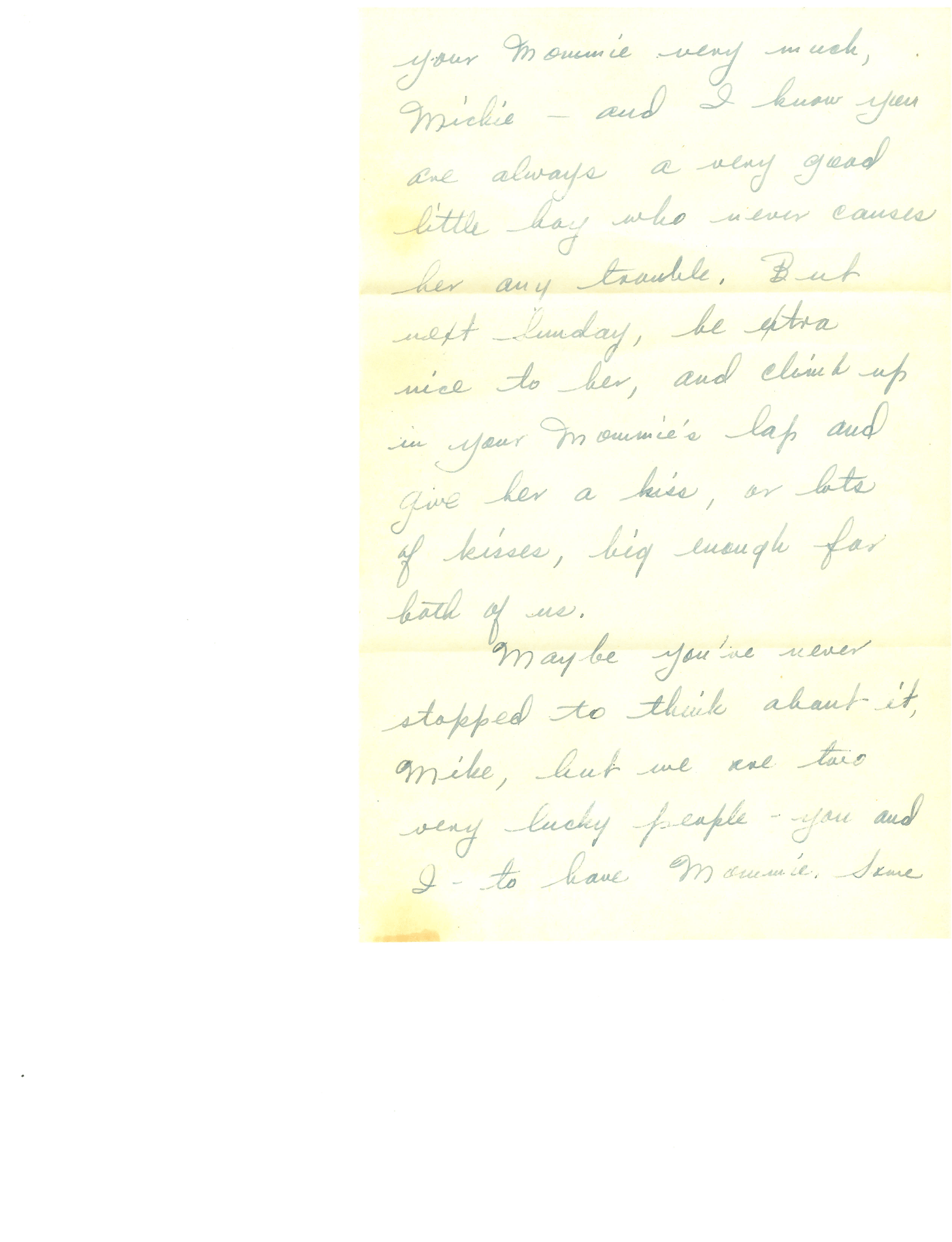
“The way you packaged it makes it much more usable. What I ended up with the first effort was not usable.”—Michael Dorsey
Digitization Struggles and Eventual Success
Digitization changed the collection from something fragile and difficult to use into something that could actually be read, shared, and understood. “I wanted to digitize them because I found them difficult to read in the original,” Michael says, “and I was also concerned that I didn’t want to damage them.” That shift matters. Preservation is not only about protecting materials from loss. It is also about making them usable enough to reconnect families with the stories they carry.
Once the files were organized properly, he could move through them more easily, and so could the rest of the family. He shared the collection with his brother, his sons, and relatives who could now engage with the letters in a way that wasn’t possible before. That access also opened a path toward eventually donating the originals while keeping the story available for future generations.
However, his first attempt at digitization had not gone well. What started as an attempt to save money ended in frustration. “What I ended up with the first effort was not usable,” Michael says. Early on, each letter had been grouped into a single PDF, but later the files were split page by page. “So it became very difficult. You had to go back in and open a new PDF each time you read a page.” His brother eventually stopped trying altogether. “He gave up. He said, ‘I just, I can’t do it.’” Another issue was the envelopes. At first Michael had not realized how important they were, but once he began reading the letters more closely, he understood that the postmarks helped anchor the timeline. “Instead of a date on the letter, he was writing Monday or Thursday,” he says. “The envelopes have the dates.” Including them alongside each letter made the collection far more coherent and useful.
Those frustrations eventually led Michael to Anderson Archival. When asked whether he would recommend Anderson Archival to someone with a similar collection, he does not hesitate. “Yes, I thought you did a great job,” he says. More than anything, he values how usable the final result became. “The way you packaged it makes it much more usable. What I ended up with the first effort was not usable.” That distinction matters. At Anderson Archival, preservation is never only about making copies. It is about helping families and institutions safeguard what matters, organize it with care, and make it accessible enough to be read, shared, understood, and, when the time is right, passed on.
Reading the Past and Looking To the Future
Working with the letters also changed the way Michael thinks about his own family materials. “One of the things that this encouraged me to do was… put the pictures and the letters in scrapbooks,” he says. He has memorabilia from both his father’s career and his own, and he wanted it gathered into a form others could actually move through. “At some point I might have them digitized,” he says, “but at least I wanted to have [them] in a format that people could look through… other than just kind of a jumbled file.” It is a familiar impulse for many families: not just to save the past, but to shape it in a way that makes it easier to encounter, understand, and carry forward.
When he talks about what he hopes future generations will understand, Michael returns to relationships. “I think it’s important to maintain the relationship,” he says, especially across time. One of the things he values most is that he came to know his parents not just as a child, but as an adult. “It’s a different relationship if you know your parent when you’re an adult. It’s different than dredging up childhood memories.” He puts it another way later in the conversation: “You have these tapes in your head about your relationship with your parents from when you were a kid… at least for me, it was helpful to update those tapes with a different relationship.” That is part of what preserved family history can offer: not just memory, but context, compassion, and the chance to see the people we love more fully.
If there is one thing Michael wants readers to know about his father, it is this: “He was a newsman.” More specifically, he says, “He wanted to communicate news. And he never believed his opinion had a place in his reporting.” Michael remembers how strongly his father believed in “straight news,” and how carefully he avoided anything that might compromise that principle. “He didn’t want people [to] perceive him as being a Republican or a Democrat,” Michael says. “He wanted just straight news.” It is a value that seems to run through the letters as well—clear-eyed, observant, and grounded in a desire to tell the truth plainly.
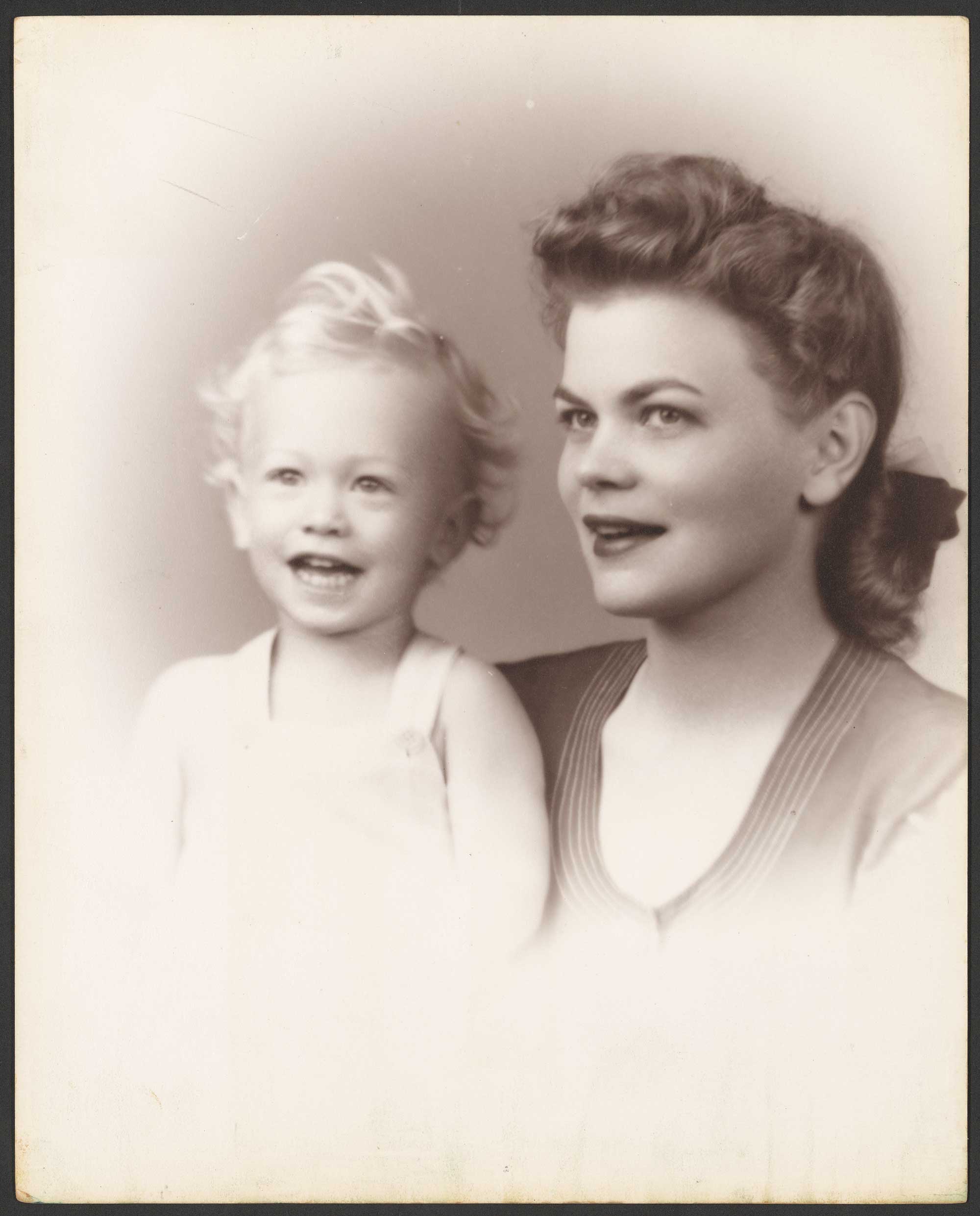
Left: Baby Michael with Nell
Right: Letter to Nell written on tissue paper, not scannable by the original vendor