


By Client Executive Marcia Spicer
The recent controversy sparked by the grandson of the inventor of Reese’s Peanut Butter Cups offers a timely reminder: when a family business is sold, control over its operations—and its historical legacy—often slips away. This loss isn’t limited to the business model or product quality; it extends to the stories, photos, documents, and memories that form the backbone of a family’s contribution. As accusations against Hershey for allegedly cutting corners circulate, families everywhere are left wondering how best to preserve their history when preparing to sell their business.
Selling a family business is more than a financial transaction; it’s a turning point that can change the course of a legacy.
While new owners may bring fresh ideas and resources, they’re not always invested in maintaining the business’s historical and cultural roots. Valuable artifacts—such as photographs, journals, publications, and logbooks—can be lost, discarded, or overlooked during the transition. For the founding family, this can mean losing touch with the very essence that made their business unique.
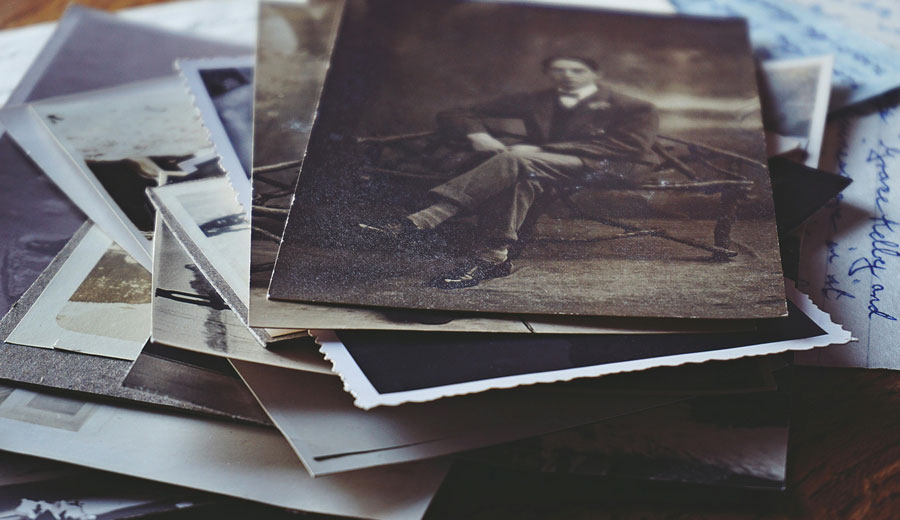
That’s why the period leading up to a sale is a critical time for legacy preservation and capture. Families should not assume that their treasured memories will survive the transfer. Instead, they should proactively identify what belongs to them and what will be handed over. This process starts with a careful inventory of physical and digital assets. Photographs of early days, correspondence between founders, product prototypes, and marketing materials may carry sentimental and historical value that far exceeds their monetary worth.
The question of ownership is central: What belongs to the family, and what is part of the business sale? Legal documents can help clarify this, but it’s equally important to have open discussions with potential buyers.
Families may wish to retain original artifacts or negotiate access to digital archives, ensuring that their history remains intact. In some cases, families choose to create digital copies of important documents before the sale, partnering with archival experts to digitize and organize materials for posterity.
Anderson Archival specializes in digitizing, cataloging, and preserving records, photographs, and memorabilia. By taking action before the sale, families can safeguard their legacy for future generations, regardless of who owns the business. In a world where company histories can be rewritten or forgotten, proactive preservation is the best way to honor the past and keep cherished memories alive.
If your family business is preparing for a sale, now is the time to consider legacy preservation. Reach out to Anderson Archival for expert guidance and ensure your family’s story remains part of history—not just a footnote in a sales contract.