

Digital Preservation and Scanning
SERVICES
Digital Preservation and Scanning
Preserving the stories within a collection ensures access to the materials within even after the physical pages have deteriorated. Doing things right the first time is at the heart of Anderson Archival’s mission. Your collection doesn’t have time to redo work in the future—when it’s gone, it’s gone forever.
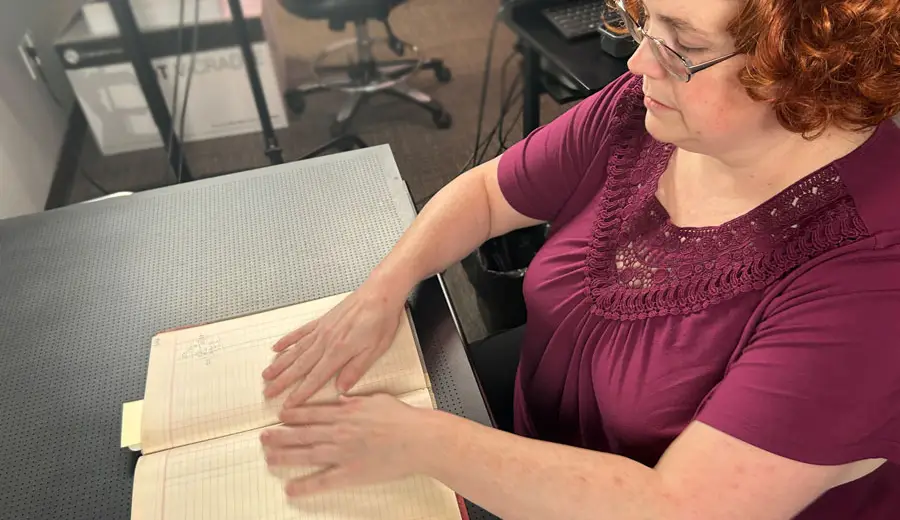
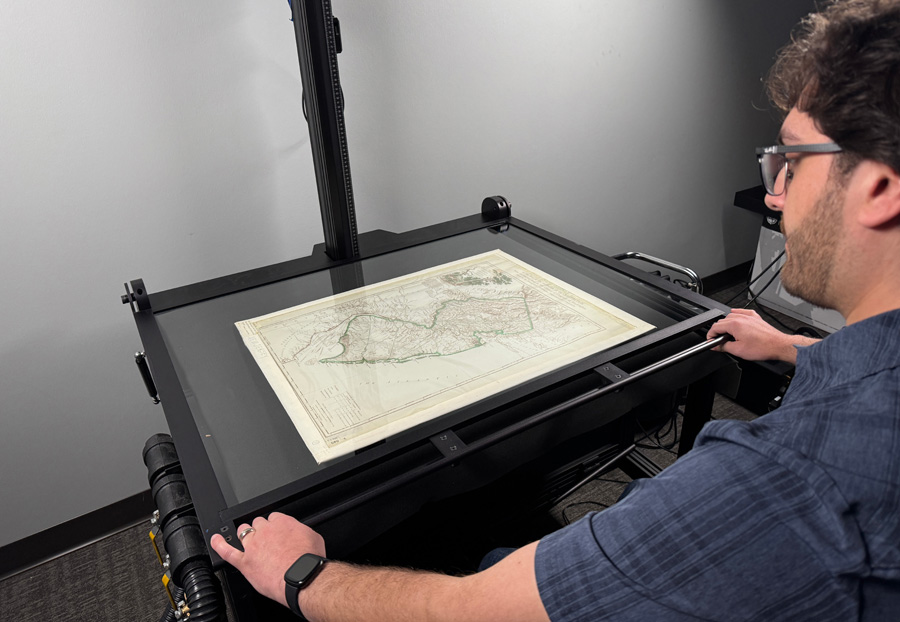
Digital Preservation Through Digitization
Digital preservation scanning is essential to the archival process as it captures the content and condition of every item in your collection as it is in the present moment. Once the digital image is captured, the original sustains no further damage. Anderson Archival’s combination of innovative imaging equipment and trained archival experts guarantee your collection is in safe hands. Time is ticking. Let us help get your collection’s digital preservation scanning underway with careful, professional solutions.
Document Scanning
Our suite of imaging equipment is vetted by archival industry experts and is designed to safely support your materials during capture. Rather than using automated feeders, your document collection is treated with care and scanned by hand to protect fragile paper materials.
Digital Document Restoration
While age spots or patina can add character and historical essence, to restore images to full clarity and readability (along with an untouched archival-quality master copy for complete preservation) our specialists use special techniques to bring documents and photos back to life
Optical Character Recognition
Optical character recognition (OCR) uses specialized software to “read” text on an image and overlay that information onto the final image files. This enables searchability of your collection and has nearly limitless use cases.
Handwritten Text Recognition
Handwritten text recognition (HTR) is an advanced method of OCR that analyzes handwriting and transcribes it into readable and searchable text. Our team can train AI models to recognize proper names and even individual authors!
Frequently Asked Questions
Can’t Find What You’re Looking For?
We’d Love to Chat With You
What types of materials can Anderson Archival digitize?
Anderson Archival can digitize a wide range of historical and modern materials, including books, loose papers, photographs, letters, documents, handwritten notes, directories, yearbooks, newsletters, pamphlets, guides, maps, audio/visual materials, and other non‑digital publications. They handle fragile and historically valuable materials with museum-level care.
What is the difference between digitization and digital preservation?
Digitization refers to the process of scanning a physical item to create a digital image, often as the first step toward building a digital collection. Digital preservation goes further—it includes the long‑term management, organization, accessibility, and protection of those digital files to ensure they remain usable, searchable, and safe over time.
In short:
- Digitization = Creation of digital files
- Digital Preservation = Ongoing care, organization, and safeguarding of the digital collection
Anderson Archival specializes in both phases, ensuring not just a scan, but a complete preservation strategy built to last.
How does digitization protect my collection against disasters like fire or flooding?
Digitization ensures that even if physical materials are harmed by fire, flood, decay, or other natural disasters, your history remains safe in high‑quality digital form. Anderson Archival emphasizes disaster-prevention benefits directly, helping protect your legacy “before it’s too late.”
Digital backups can be stored securely in multiple locations, reducing the risk of permanent loss.