

By Client Executive Marcia Spicer
Some projects come together quickly, with budget, schedules, and motivation falling into place. Others, however, face more challenges. Since June 2022, Kimberly Schlarmann, Genealogy & Local History Supervisor at Glenview Public Library, has been working to launch archival digitization projects with Anderson Archival.
With limited funds and a vast collection of fragile historical materials, finding a flexible and creative digitization partner was crucial.
As the second project with Glenview Public Library concluded, Kimberly agreed to share her insights in an interview.
Digitizing Fragile Newspapers from the 1920s
AA: Let’s talk about the two projects Glenview Public Library has collaborated on with Anderson Archival. The first was able to proceed at the end of 2024, the physical newspapers. What was the main goal and outcome you hoped for?
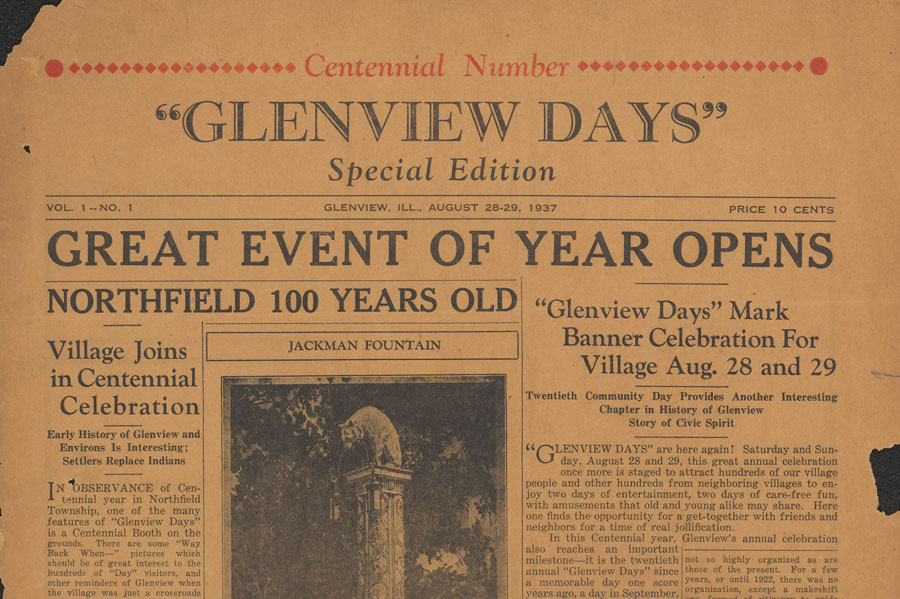
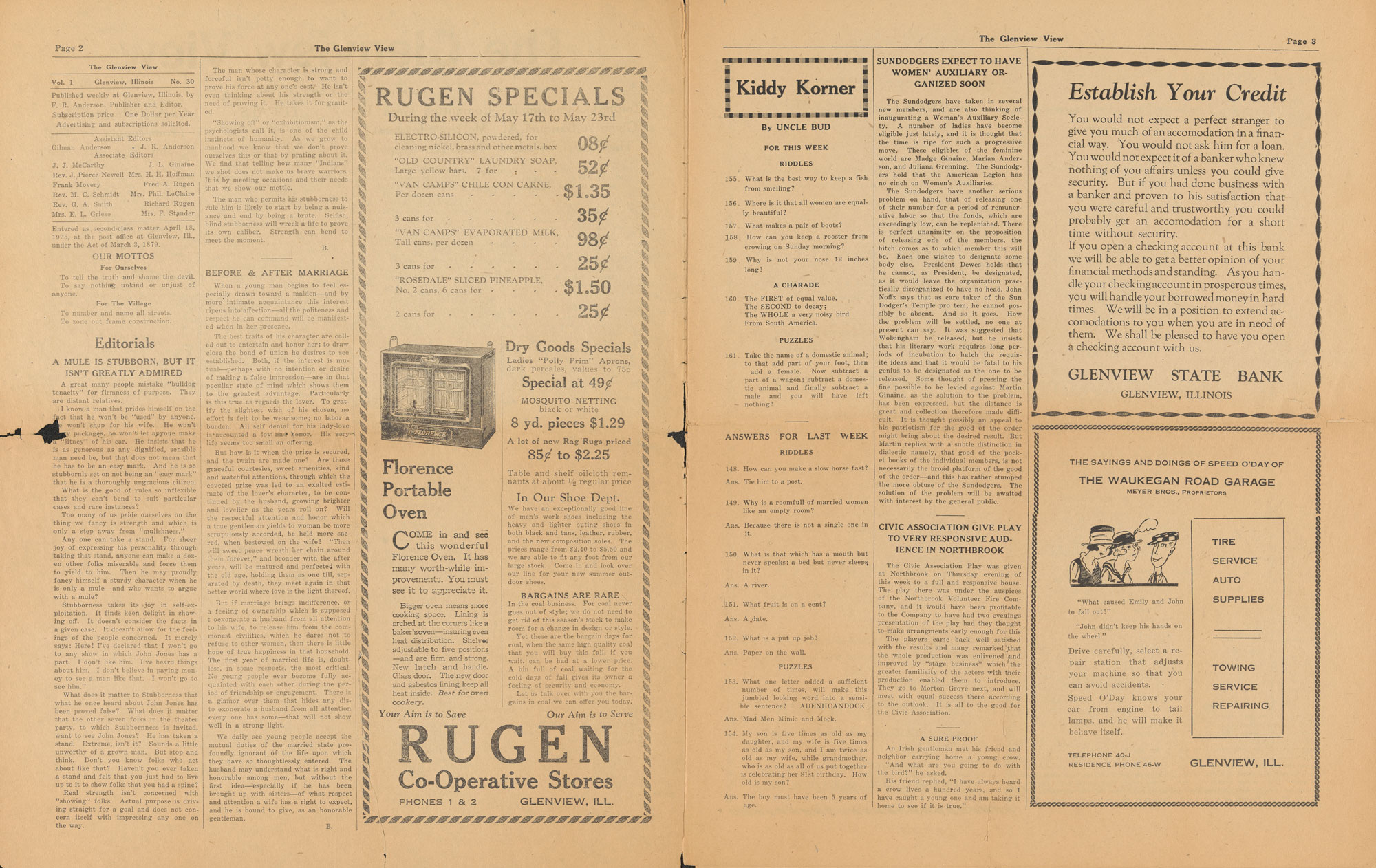
We had 11 very fragile newspapers from the 1920s in our collection. They are our oldest papers and they’ve never been microfilmed so these originals were our only copies. Several already had large tears or missing sections, and the ink was fading.
It was really important for us to preserve them before they deteriorated further. Creating digital, searchable copies allows us to protect the originals while still being able to access and use the information in them.
Microfilm Isn’t Enough for Today’s Library Patrons
AA: Second was one at end of 2025, microfilm reels with contents that can no longer be accessed reliably with microfilm machines. Could you speak to the changes in what organizations may have thought was “preserved” and “accessible” to the modern library patron?
Microfilm is still good for preservation, but it doesn’t feel very accessible anymore.
Our patrons don’t want to use microfilm. Many have never used a microfilm machine, and I think the machines can feel intimidating. People (including staff and volunteers) don’t always have the time or patience to scroll through reels either.
Patrons really want digital content that’s searchable and accessible from home. That’s what is considered accessible today
Safe Transport of Fragile Archival Materials
AA: How did the collections travel to us each time?
I really appreciated Anderson Archival’s flexibility with delivery which allowed us to choose the safest method for transporting fragile archival materials. The newspapers were so fragile that I was concerned about shipping them. I happened to be traveling to the St. Louis area for the holidays, so I was able to hand-deliver them. My brother, who works near your offices, picked them up for me when the project was finished. It gave me peace of mind not having to worry about them in transit.
With the microfilm, I felt more comfortable shipping it, and everything traveled safely both ways, so that worked out well.
“I think digitizing anything is better than nothing.”—Kimberly Schlarmann
AA: For both projects, how did budget constraints influence your decision-making and project planning?
We didn’t specifically budget for these projects ahead of time. Instead, we had leftover funds at the end of the year that needed to be used for digital resources or databases. The Collection Manager and I decided this would be a good opportunity to finally invest in these digitization projects we kept talking about.
Because we didn’t know exactly how much funding we’d have until later in the year, there wasn’t a lot of time for planning. Both projects came together pretty quickly. I had a general sense of what I wanted to digitize, but the process was definitely a bit rushed.
AA: What steps did Anderson Archival take to accommodate your limited budget and prioritize your needs?
We were working within a tight timeline to use the funds before the end of the year, so I really appreciated Anderson Archival’s flexibility. Once we decided to move forward, everything was set in motion very quickly, which made the projects possible.
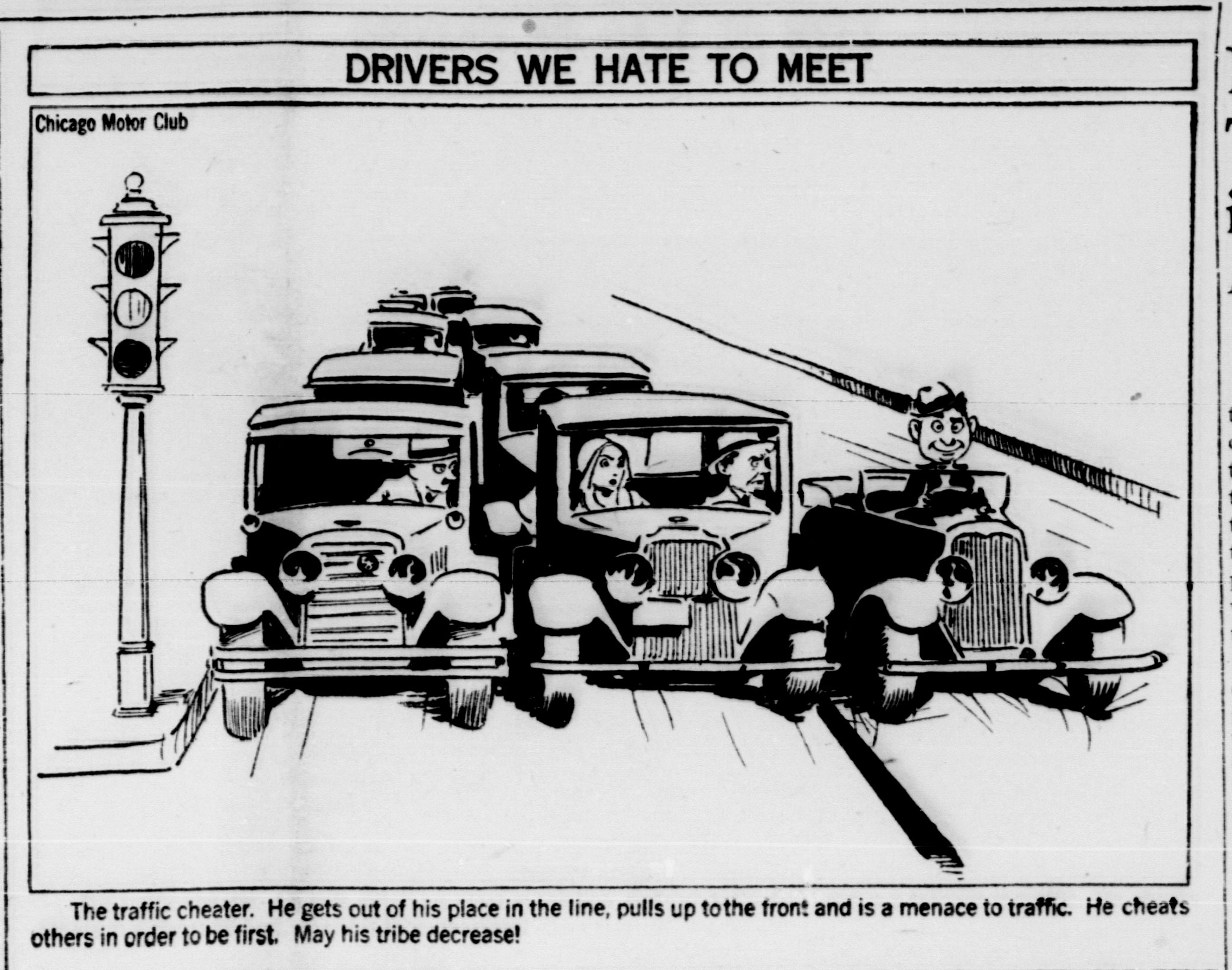
While digitizing microfilm makes it accessible, results are limited to original capture visuals.
Why Small Digitization Projects Still Matter
AA: Were there any unexpected challenges or advantages to undertaking smaller projects one at a time?
I’ve actually liked being able to use leftover funds for smaller digitization projects. Otherwise, that money might have gone to another department or initiative. We were able to do something with that excess money that has an impact on the accessibility and preservation of our collections.
These projects may be small, but they make a real impact in terms of preservation and access. It can also be easier to justify smaller projects to stakeholders. Large-scale digitization can be harder to prioritize in a tight budget.
AA: How did our flexibility in project scope and scheduling impact your experience?
Honestly, without that flexibility, I don’t know if we could have done these projects at all. Our timeline was tight and having that adaptability made everything possible.
AA: What advice would you give to other libraries considering archival work with a limited budget?
I think digitizing anything is better than nothing. Focus on your most pressing needs. Consider what’s most fragile or what will get the most use. It doesn’t have to be a huge or flashy project. Even small efforts can have a meaningful impact on your organization.
AA: How has the completed work benefited Glenview Public Library and its patrons?
I feel much less concerned about the condition of our oldest newspapers. Knowing they’ve been digitized and preserved is a huge relief.
We’re also actually using them now. Before, they were so fragile that we avoided handling them, so we didn’t fully know what was in them. Now we can search them easily and we have incorporated stories and images from them into our programming.
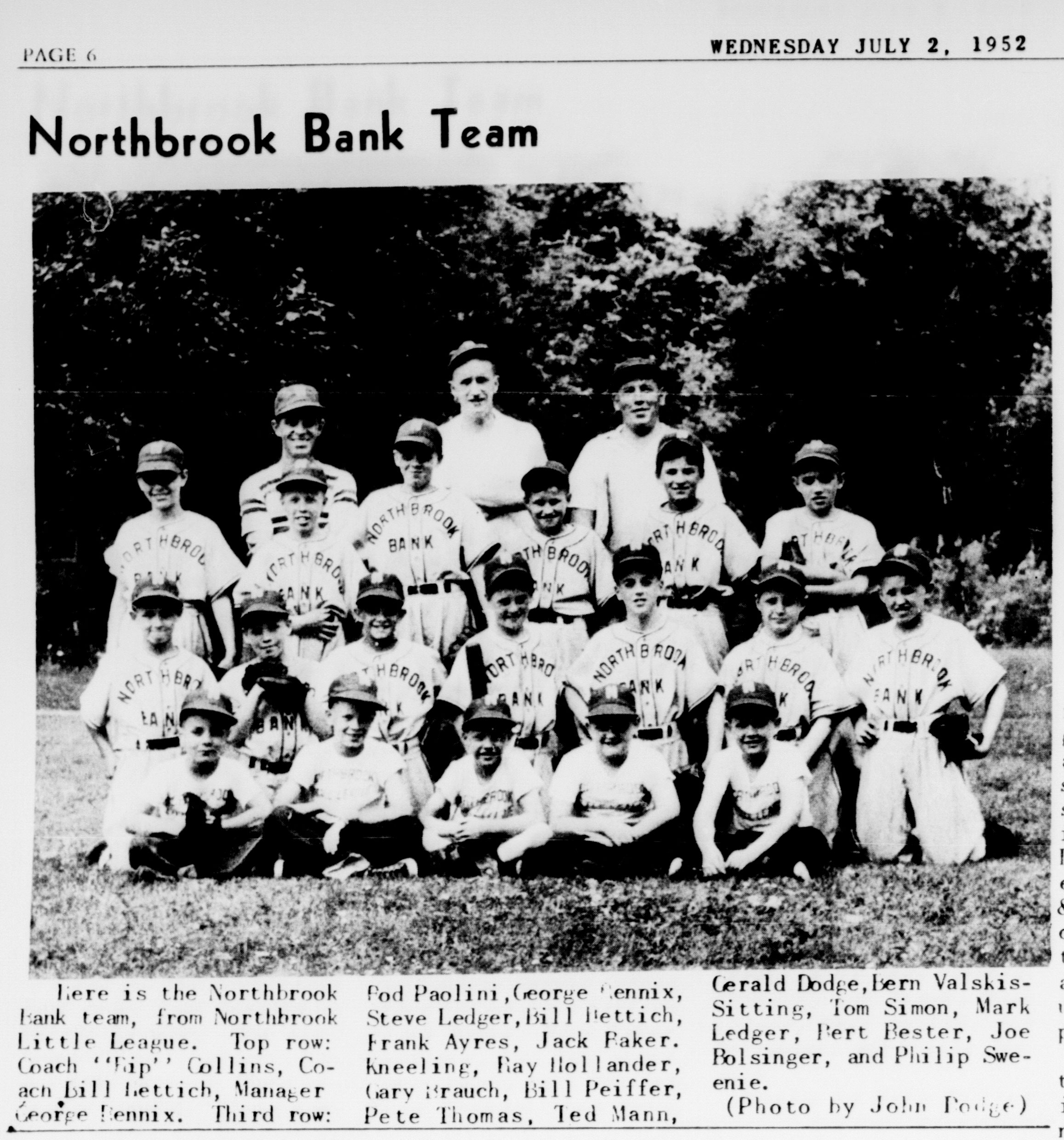
We’ve used stories from the papers to explore topics like baseball in Glenview and the history of prohibition and taverns in the community. One of the papers even includes a story about a board member’s great-grandfather being elected Village President. He was especially excited to see that preserved!
AA: Are there future projects you hope to pursue with Anderson Archival, and how might budget and flexibility factor into those plans?
There’s always more to digitize! We’ve talked about digitizing some scrapbooks, but that would be a larger project that requires more planning. We’re hoping to secure support from our Friends of the Library organization to help fund that work.
Frequently Asked Questions
Can’t Find What You’re Looking For?
We’d Love to Chat With You
What is archival digitization and why is it important for libraries?
Archival digitization is the process of converting physical documents, such as newspapers and scrapbooks, into digital formats. This helps preserve fragile materials, increases accessibility, and allows libraries to protect their collections against deterioration and loss.
How did Glenview Public Library choose which materials to digitize first?
The library focused on digitizing items that were most fragile and received the most use. By prioritizing materials with historical significance and those at risk of damage, they ensured that their limited resources had the greatest impact.
What are some challenges libraries face when starting digitization projects?
Libraries often deal with limited budgets and tight timelines, making flexibility and careful planning essential. Securing funding and support, identifying priority items, and working with partners like Anderson Archival are key steps to successful digitization efforts.